Flanged Ball Valve vs Gate Valve: Key Differences Explained
Content Menu
● What is a Flanged Ball Valve?
>> Features of flanged ball valves include:
>> Characteristics of gate valves include:
● Key Differences Between Flanged Ball Valve and Gate Valve
● Applications in Key Industries
● Installation and Maintenance Considerations
● Frequently Asked Questions (FAQ)
>> 1. What is the main benefit of a flanged ball valve over a gate valve?
>> 2. How does the flanged connection enhance valve performance?
>> 3. Can gate valves be used for throttling flow control?
>> 4. What industries commonly use flanged ball valves?
>> 5. Are flanged ball valves suitable for high-pressure applications?
In the complex world of industrial fluid control, selecting the right valve is crucial for safety, efficiency, and system longevity. Two common valve types often compared are the flanged ball valve and the gate valve. Each possesses unique characteristics making them suitable for different applications. This article provides a detailed exploration of the differences between flanged ball valves and gate valves, focusing on design, operation, sealing capabilities, flow control, maintenance, and industry applications. Emphasis is placed on the flanged ball valve — a valve type valued for its robust flanged connection, tight sealing, and fast operation, widely used in oil and gas, desalination, and offshore drilling sectors.
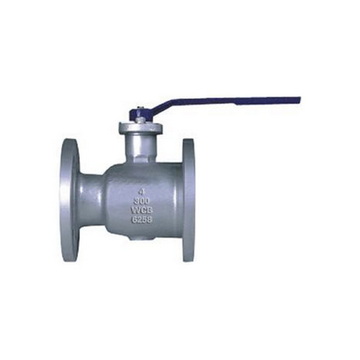
What is a Flanged Ball Valve?
A flanged ball valve is defined by its spherical closure mechanism, a ball with a bore drilled through the center, which rotates a quarter turn (90 degrees) to open or shut off flow. Flanged ball valves are distinguished by their flange ends—flat rims with bolt holes—that allow secure mechanical fastening between the valve and adjoining pipe flanges with bolts and gaskets. This connection type provides superior strength and stability, enhancing pressure handling and facilitating maintenance.
Features of flanged ball valves include:
- Quick quarter-turn operation for immediate open or shutoff.
- Tight sealing due to precise ball-to-seat contact, ensuring minimal leakage.
- Sturdy flanged connections suitable for high pressure and corrosive environments.
- Material versatility including stainless steel and carbon steel for rugged applications.
Their design makes flanged ball valves an excellent choice for critical shutoff applications where leak-tightness and operational speed are essential.
What is a Gate Valve?
Gate valves operate via a wedge-shaped gate that moves linearly up or down between two seats to start or stop the flow. Unlike ball valves, gate valves require multiple turns of a handwheel or actuator to fully open or close the valve. Gate valves also come with flanged ends to enable bolted installation between flanged pipes, offering a strong and stable mechanical connection.
Characteristics of gate valves include:
- Multi-turn linear movement for operation, making opening and closing slower.
- Full bore design enabling minimal flow resistance when fully open.
- Strong sealing when fully closed, though susceptible to leakage if seats wear.
- Availability in flanged form, improving structural integrity and simplify maintenance.
The gate valve is typically used where slow flow isolation is needed and where minimal pressure drop through the valve is desired.
Key Differences Between Flanged Ball Valve and Gate Valve
| Aspect | Flanged Ball Valve | Gate Valve |
|---|---|---|
| Operation | Quick quarter-turn (90°) to open/close | Multi-turn handwheel operation |
| Sealing Performance | Bubble-tight sealing with reliable soft or metal seats | Good sealing tightness but can leak as seats wear |
| Flow Control | Primarily on/off control; poor for throttling | Can isolate flow fully; sometimes used for throttling |
| Speed of Operation | Fast, suitable for emergency shutoff | Slow, not suited for frequent operation |
| Maintenance | Easy to disassemble; ball and seat replaceable | Requires maintenance of gate, seats, and packing |
| Pressure Rating | High pressure handling with flanged strength | Also high pressure capable with flanged connection |
| Typical Applications | Oil & gas, chemical, offshore platforms, desalination | Isolation in pipelines, water industry, petrochemical |
Applications in Key Industries
In the oil and gas sector, flanged ball valves are favored for their fast shutoff abilities, tight sealing even under high pressure, and robust flange connections that withstand harsh environments, including offshore drilling platforms and seawater injection systems. Gate valves, by contrast, remain essential in pipeline isolation where full bore flow with minimal pressure drop is mandated.
The desalination industry benefits from flanged ball valves' corrosion resistance and rapid operation, critical in seawater handling. Gate valves, often flanged for reliability, control flow with minimal turbulence and pressure loss.
Offshore drilling platforms face extreme environmental conditions where both flanged ball valves and gate valves must perform reliably. Their flange connections simplify valve replacement and maintenance on site.
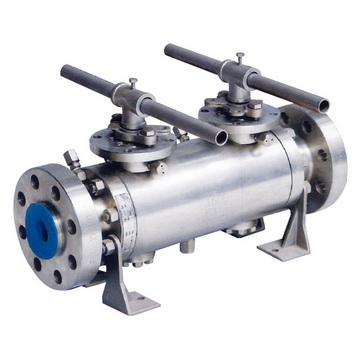
Installation and Maintenance Considerations
Flanged ball valves require more installation space due to quarter-turn mechanisms but benefit from ease of automation and quick operation to minimize downtime. Their flange ends enable straightforward removal from pipelines without disturbing pipe integrity.
Flanged gate valves, while slower to operate, offer an unobstructed flow path when open and high strength due to their rigid body design. Maintenance entails bonnet, gate, and seat inspection and possible refurbishment to maintain leak-tightness.
Choosing the Right Valve
When rapid shutoff and tight sealing are priorities, flanged ball valves are generally the superior choice. Conversely, gate valves perform well when full isolation with minimal pressure drop is needed, and operation frequency is low.
In some cases, project parameters such as pipe diameter, pressure, flow characteristics, and operation speed requirements will dictate valve selection. For OEM customers seeking tailored flanged ball valve designs—including floating ball valves, trunnion-mounted ball valves, and customized OEM solutions—working with a manufacturer experienced in high-quality flanged valve production is crucial.
Conclusion
The choice between flanged ball valves and gate valves hinges on application needs. Flanged ball valves excel at rapid, reliable shutoff with minimal leakage, ideal for demanding environments like oil & gas and offshore sectors. Gate valves offer linear, gradual isolation with minimal flow resistance suited for larger diameter pipelines and low-frequency operation. Understanding their differences helps select the optimal valve to ensure system efficiency, reliability, and safety.
For those seeking high-quality flanged ball valves with reliable flanged connections and expert OEM support, contact our China-based manufacturing team. With deep industry expertise and a broad product range, we deliver durable valve solutions engineered to meet stringent international standards. Request your technical consultation or quote today to optimize your fluid control system.
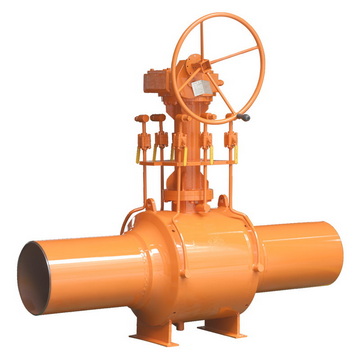
Frequently Asked Questions (FAQ)
1. What is the main benefit of a flanged ball valve over a gate valve?
Flanged ball valves provide fast quarter-turn operation and bubble-tight sealing, enabling quick isolation, whereas gate valves require multiple turns and are slower, suited for isolation where speed is less critical.
2. How does the flanged connection enhance valve performance?
Flanged connections offer strong mechanical fastening, making valves easier to install, remove, and maintain while improving pressure resistance and structural integrity.
3. Can gate valves be used for throttling flow control?
Gate valves can throttle flow but are not ideal because partial opening can damage seats and cause leakage. Ball valves are generally not designed for throttling.
4. What industries commonly use flanged ball valves?
Flanged ball valves are widely used in oil & gas, offshore drilling, seawater desalination, chemical processing, and petrochemical industries requiring durable, corrosion-resistant valves.
5. Are flanged ball valves suitable for high-pressure applications?
Yes, flanged ball valves are engineered to withstand high pressures and temperatures, especially with their strong flange connections and material selections.
Hot tags: Flanged Ball Valve vs Gate Valve Differences, Ball Valve vs Gate Valve Comparison, Flanged Ball Valve vs Gate Valve Applications, Gate Valve vs Ball Valve Pros and Cons, Ball Valve vs Gate Valve for Industrial Use, Flanged Ball Valve vs Gate Valve Performance, Ball Valve vs Gate Valve Flow Control, Gate Valve vs Ball Valve Selection Guide, Flanged Ball Valve vs Gate Valve Advantages, Ball Valve vs Gate Valve Which is Better