Motorized Ball Valves for High-Pressure Applications: What to Consider
Content Menu
● Understanding Motorized Ball Valves
>> How Motorized Ball Valves Work
● Key Materials Used for High-Pressure Motorized Ball Valves
● Features of Motorized Ball Valves for High-Pressure Applications
● Advantages of Using Motorized Ball Valves
● Applications of Motorized Ball Valves for High-Pressure Conditions
● Installation and Maintenance Considerations
● Frequently Asked Questions (FAQ)
>> 1. Is it Possible to Manually Operate Motorized Ball Valves?
>> 2. What Materials Are Suited for High-Pressure Motorized Ball Valves?
>> 3. Can Motorized Ball Valves be Used Outdoors?
>> 4. How Do Motorized Ball Valves Prevent Water Hammer?
>> 5. What Is the Typical Lifespan of a Motorized Ball Valve?
Motorized ball valves are essential components in industries requiring precise flow control under high-pressure conditions. These valves combine robust construction with electric actuation, enabling automated, efficient, and reliable operations in demanding applications such as oil and gas, seawater desalination, offshore drilling platforms, and chemical processing. This article delves into what to consider when selecting and using motorized ball valves for high-pressure applications, highlighting their design, materials, operation, benefits, and maintenance.
Understanding Motorized Ball Valves
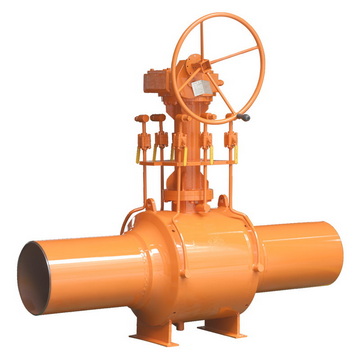
A motorized ball valve, also known as an electric ball valve, consists of a spherical ball with a hole through the center that rotates to control fluid flow. The rotation is powered by an electric actuator, allowing automated control of the valve position—open, closed, or modulated to any degree between. Unlike manual valves, motorized ball valves enable remote operation, rapid response, and integration into automated systems.
These valves are designed to fit into complex piping systems and are often controlled by programmable logic controllers (PLCs) or smart control systems that allow for remote and automatic operation. This enables precise handling of fluids and gases in processes where manual operation is either impractical or impossible under hazardous or high-pressure conditions.
How Motorized Ball Valves Work
The electric motor generates torque that rotates the ball within the valve body. When the ball's central hole aligns with the pipeline, fluid flows freely; when positioned perpendicular, the flow is blocked. The electric actuator can also modulate the valve's position to regulate flow precisely, which is essential for processes requiring varying flow rates or controlled shutoff.
Actuators are usually powered by AC or DC electricity and can be fitted with feedback devices to provide valve position data to the control system. This feature is especially useful in remote or automated industrial systems, providing accurate status updates and enabling predictive maintenance before failures occur.
Key Materials Used for High-Pressure Motorized Ball Valves
The durability and performance of motorized ball valves in high-pressure environments depend largely on the construction materials:
- Stainless Steel (304, 316, 316L): Stainless steel is the material of choice for many high-pressure motorized ball valves. It offers superior strength, corrosion resistance, and the ability to withstand aggressive environments typical of oil, gas, seawater, and chemical industries. Stainless steel versions can often withstand pressures above 400 bar and operate at high temperatures. The 316 and 316L variants provide improved resistance to chloride corrosion, making them ideal for marine or saltwater applications.
- Carbon Steel: Carbon steel valves are strong and cost-effective options for many industrial applications. They handle high pressures and elevated temperatures well, often used in power plants, oil refineries, and steam systems. While less corrosion-resistant than stainless steel, carbon steel valves can be coated or lined for protection in harsher environments.
- Brass: Brass motorized ball valves are typically used for lower pressure systems or where cost is a significant factor. They offer reasonable corrosion resistance and good mechanical properties but are generally not suitable for extreme high-pressure or high-temperature conditions.
The sealing materials within these valves are equally critical. Typical materials such as PTFE (polytetrafluoroethylene or Teflon) and reinforced composites ensure leak-tight performance, chemical resistance, and long service life even in high-pressure, high-temperature applications.
Features of Motorized Ball Valves for High-Pressure Applications
Motorized ball valves designed for high pressure share several important features that tailor them to demanding industrial environments:
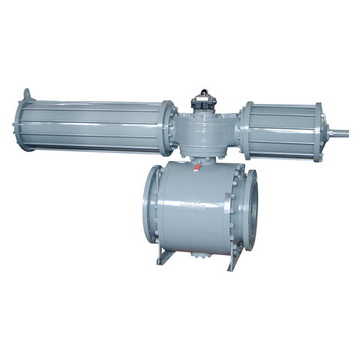
- High Pressure Ratings: These valves are engineered to safely withstand and operate at pressures up to 400 bar (about 5800 psi) or more, with some specialty valves rated for 5000 psi and above. The design must consider not just static pressure but also pressure surges and cyclic loading.
- Robust Construction: The valve body and ball are constructed from heavy-duty materials like stainless steel or carbon steel to resist deformation or damage under extreme mechanical stresses, thermal expansion, and corrosive conditions. These valves are often designed according to industry standards such as API, ANSI, or ISO to guarantee safety and reliability.
- Efficient Electric Actuators: The electric actuators are key to valve functionality. They must provide sufficient torque—sometimes ranging from 50 Nm up to over 4000 Nm—to open and close the valve reliably against high-pressure forces. Many actuators also include features like manual override, position feedback, and fail-safe modes to improve operation safety and convenience.
- Advanced Sealing Technology: High-pressure motorized ball valves employ sealing mechanisms capable of maintaining tight shutoff even after repeated cycles. Soft seats made from engineered polymers are standard, while metal seats are used in applications with extreme pressures or temperatures, or abrasive fluids.
- Versatile Configurations: These valves come as standard 2-way or more complex 3-way (L-port or T-port) designs, allowing multiple flow control patterns within a single valve body. This versatility optimizes pipeline layouts and reduces the need for additional piping components.
- Automated Control Compatibility: Equipped with interfaces for communication protocols like Modbus, PROFIBUS, or HART, motorized ball valves easily integrate into modern automation systems allowing centralized monitoring and control.
Advantages of Using Motorized Ball Valves
Motorized ball valves provide numerous advantages over manual and other types of automated valves, especially in high-pressure environments:
- Enhanced Safety: Electric actuation allows rapid and precise valve positioning to control fluid flow safely under pressure, reducing the risk of leaks, spills, or catastrophic failures.
- Automation and Remote Control: These valves enable fully automated process controls that reduce manual labor requirements, enhance operational efficiency, and ensure consistent process quality. Remote operation capabilities facilitate control in hazardous or hard-to-reach locations.
- Anti-Water Hammer Design: Sudden valve closures can cause damaging pressure surges known as water hammer. Motorized valve actuators provide the ability to control the speed of valve movement, thereby minimizing surge effects and protecting pipelines and downstream equipment.
- Cost Efficiency: Although motorized ball valves generally have higher upfront costs compared to manual valves, the long-term benefits include reduced maintenance expenses, decreased downtime through precise control, and energy savings from optimized flow regulation.
- Low Maintenance: Electric actuators typically have fewer moving parts and wear points compared to pneumatic or hydraulic actuated valves, resulting in reduced servicing requirements and extended operational life.
Applications of Motorized Ball Valves for High-Pressure Conditions
Motorized ball valves find broad use in various industries requiring safe, reliable flow control under high pressure:
- Oil and Gas Industry: These valves are critical components in upstream extraction, midstream transportation, and downstream processing. They control wellhead pressure, injection flows, and pipeline isolation with rigorous safety standards.
- Seawater Desalination: They manage high-pressure flows in reverse osmosis systems, controlling seawater intake and brine discharge under corrosive conditions.
- Offshore Drilling Platforms: Valves must operate reliably in harsh marine environments with constant exposure to saltwater, pressure fluctuations, and vibrations.
- Chemical Processing: Chemical plants rely on motorized ball valves to handle aggressive fluids at variable pressures and temperatures safely and efficiently.
- Power Generation: Steam and cooling water regulation in power plants require valves that perform securely under cycling conditions and elevated pressure regimes.
Installation and Maintenance Considerations
Proper installation and ongoing maintenance are crucial for the effective operation and longevity of motorized ball valves:
- Ensure electrical compatibility: The control voltage and signal interfaces must match actuator specifications to avoid malfunction or damage.
- Secure proper sealing: Use appropriate thread sealants or welding techniques per industry standards to ensure leak-free connections.
- Incorporate manual override: Installing a manual override mechanism provides operational flexibility during power failures or maintenance procedures.
- Conduct regular inspections: Monitor actuator performance, check seals for wear, and lubricate moving parts periodically.
- Select appropriate IP protection: For outdoor or harsh environment installations, choose valves with suitable ingress protection (IP) ratings to prevent dust and water ingress.
- Train maintenance personnel: Proper training ensures correct troubleshooting, replacement, and calibration to maintain valve performance and safety.
Conclusion
Selecting the right motorized ball valve for high-pressure applications involves evaluating materials, design robustness, actuator performance, and compatibility with control systems. These valves deliver automated, safe, and efficient flow control critical to industries such as oil and gas, seawater desalination, and offshore drilling. By investing in quality motorized ball valves tailored to specific pressure and environmental requirements, businesses can achieve enhanced operational efficiency, safety, and reliability.
Ready to improve your system's safety and efficiency? Get in touch today for a personalized consultation and competitive quotes on high-pressure motorized ball valves. Let us help you automate your flow control needs confidently.
Frequently Asked Questions (FAQ)
1. Is it Possible to Manually Operate Motorized Ball Valves?
Many motorized ball valves feature a manual override capability, allowing operators to open or close the valve manually during power outages or emergency maintenance situations, ensuring continuous process control.
2. What Materials Are Suited for High-Pressure Motorized Ball Valves?
Stainless steel grades such as 304, 316, and 316L are preferred for their high strength and corrosion resistance, especially in harsh environments. Carbon steel and brass may be used in lower pressure or less aggressive applications.
3. Can Motorized Ball Valves be Used Outdoors?
Yes, motorized ball valves intended for outdoor use are designed with weatherproof enclosures and high IP ratings to resist water, dust, and temperature extremes, making them suitable for installations in diverse climates.
4. How Do Motorized Ball Valves Prevent Water Hammer?
The electric actuator allows controlled, gradual valve closure instead of rapid shutoff, reducing sudden flow changes and pressure surges that cause water hammer, thereby protecting the piping system and equipment.
5. What Is the Typical Lifespan of a Motorized Ball Valve?
With proper installation and routine maintenance, motorized ball valves typically provide many years of reliable service. Reduced mechanical wear compared to manual valves often results in longer operational life under comparable conditions.
Hot tags: Motorized Ball Valves High Pressure, Best Ball Valves for High Pressure, Motorized Ball Valve Applications, High Pressure Ball Valve Selection Guide, Industrial Motorized Ball Valves, What to Consider for High Pressure Valves, Reliable Ball Valves for High Pressure Systems, Motorized Ball Valve Buying Guide, High Pressure Valve Safety Considerations, Choosing Ball Valves for High Pressure