How to Troubleshoot Common Motorized Ball Valve Issues
Content Menu
● Understanding Motorized Ball Valves
● Common Issues and Troubleshooting Steps for Motorized Ball Valves
>> 1. Valve Not Opening or Closing as Expected
>> 2. Valve Operates Slow, Erratically, or Hums
>> 3. Fluid Leakage Around Valve Components
>> 4. Valve Stuck or Seized in Position
>> 5. Electrical or Actuator Electrical Failures
>> Preventive Maintenance Tips
● Frequently Asked Questions (FAQs)
>> 1. How often should motorized ball valves be maintained?
>> 2. Can I lubricate the motorized ball valve myself?
>> 3. What typically causes electrical failure in motorized ball valves?
>> 4. How can I tell if the valve actuator needs replacement?
>> 5. Can manual ball valves be retrofitted with motorized actuators?
Motorized ball valves are essential components in various industries such as oil & gas, seawater desalination, and offshore drilling platforms. These valves provide precise control of fluid flow through automation, combining the reliability of ball valves with the convenience of motorized actuation. However, motorized ball valves, like any mechanical system, can develop issues that affect performance and operational safety.
This article will guide you step-by-step on how to troubleshoot the most common problems with motorized ball valves to ensure your system remains efficient and reliable. The content includes detailed explanations and practical tips to diagnose and resolve common issues, so operators and maintenance personnel can confidently handle valve problems and avoid costly downtime.
Understanding Motorized Ball Valves
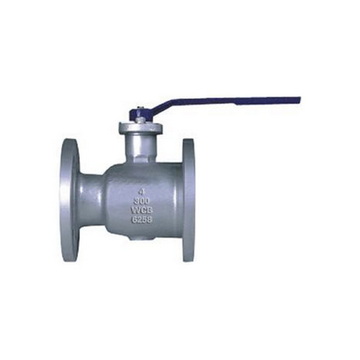
A motorized ball valve uses an electric actuator to rotate a spherical ball inside the valve body, allowing or blocking flow when the ball's bore aligns or misaligns with the pipeline. The electric actuator is controlled remotely or automatically by a process control system, enabling precise flow control without manual intervention.
Motorized ball valves are favored for their durability, tight shutoff, and ease of automation. Key components include the valve body, ball, stem, seals, electric actuator, limit switches, wiring harness, and control interface. Issues can arise in any of these parts, making it essential to understand each component's role for effective troubleshooting.
Common Issues and Troubleshooting Steps for Motorized Ball Valves
1. Valve Not Opening or Closing as Expected
Symptoms: The valve remains stuck in the open or closed position, or does not respond to control signals.
Potential Causes and Solutions:
- Power Supply Problems: Check the power source voltage and ensure it matches the actuator's requirements. Inspect wiring and connectors for loose or corroded terminals. Replace faulty cables or fuses as needed.
- Actuator Failure: The electric motor or internal gears may be damaged. Listen for sounds of the motor trying to run or unusual noises. If actuator burnout or mechanical failure is suspected, replace or repair the actuator assembly.
- Mechanical Obstruction: Debris, scale, or foreign objects inside the valve can block ball rotation. In such cases, depressurize the system and carefully dismantle the valve to clean and clear the bore and stem areas.
- Control Signal Errors: Confirm the controller or switch sending signals to the valve is functional and programmed correctly.
2. Valve Operates Slow, Erratically, or Hums
Symptoms: The valve moves sluggishly, hesitates, or vibrates during operation.
Potential Causes and Solutions:
- Low or Fluctuating Voltage: Use a multimeter to measure consistent voltage supply. Voltage below actuator specification causes slow or weak motor performance.
- High Friction in Valve Assembly: Lack of lubrication or damaged seals can cause increased torque requirements. Follow manufacturer recommendations to lubricate gearing and stem, avoiding incompatible oils that could damage seals.
- Electrical Interference: Nearby heavy machinery or electromagnetic noise may disrupt actuator signals, especially for analog control types. Shield wiring or relocate electrical sources if interference is confirmed.
- Wear and Tear on Components: Over time, gears and motor brushes wear down causing inconsistent operation. Regular inspections and preventive replacement can avoid sudden failure.
3. Fluid Leakage Around Valve Components
Symptoms: Noticeable fluid leaks around the valve body, stem, or actuator area.
Potential Causes and Solutions:
- Worn or Damaged Seals and Packing: O-rings, gaskets, or stuffing box packing can deteriorate due to age, chemical exposure, or temperature extremes. Replacing these seals with OEM-approved parts usually solves leakage.
- Improper Installation or Alignment: Misalignment during installation stresses seals unevenly, causing premature failure. Verify that the valve flange or threaded connections are square and tightened to recommended torque.
- Stem Seal Issues: The valve stem passes through a seal to maintain closure. If this seal wears out or is damaged, leaking will occur. Regular inspection and replacement keep valves leak-free.
4. Valve Stuck or Seized in Position
Symptoms: Valve cannot be moved manually or by motorized actuation; it is fixed in position.
Potential Causes and Solutions:
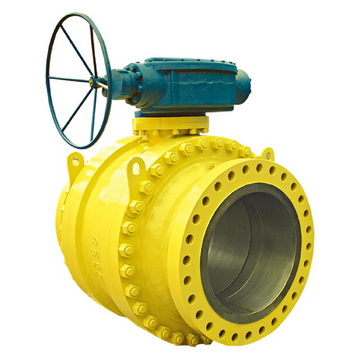
- Corrosion or Scale Build-Up: Particularly in seawater or harsh chemical applications, corrosion can lock valve internals. Applying penetrating oil or chemical descalers can release stuck parts.
- Debris Blocking Ball Rotation: Hard particles or sediment inside the valve bore jam the ball. Regular flushing and filtration upstream reduce this risk.
- Lack of Scheduled Maintenance: Extended periods without maintenance cause seals to dry out and parts to seize. Establishing a maintenance program with periodic operation cycles prevents seizure.
- Manual Override: Many motorized ball valves feature manual overrides to rotate the valve in emergencies. Attempt gentle manual operation after isolation.
5. Electrical or Actuator Electrical Failures
Symptoms: No actuator response, abnormal noises, or frequent tripping of motor protection.
Potential Causes and Solutions:
- Broken or Loose Wiring Connections: Inspect all wiring terminals for tightness and continuity. Replace damaged wiring or connectors.
- Faulty Limit Switches or Capacitors: The actuator's internal switches determine travel limits; damaged switches cause failure to stop or start. Capacitors supporting motor startup can degrade, requiring replacement.
- Overheating Protection Triggers: Actuators include thermal protection circuits. Overload or environmental factors may cause frequent cutouts. Ensure cooling or reduce operating cycles.
- Incorrect Actuator Settings: Verify correct actuator parameters such as torque settings and stroke limits for your valve type and application.
Preventive Maintenance Tips
Routine maintenance is critical for the longevity and reliability of motorized ball valves:
- Regular Inspection: Check for leaks, unusual noises, vibrations, or slow operation.
- Lubrication: Apply grease or oil compatible with valve materials to all moving parts.
- Electrical Checks: Test power supply voltage and control signals to ensure they meet specifications.
- Operate Valves Periodically: Cycling valves helps prevent seizure.
- Seal Replacement: Change seals and packing on schedule to avoid leakage.
- Keep Valve Clean: Prevent buildup of debris by using proper filtration and system flushing.
Conclusion
Motorized ball valves are integral to many industrial processes requiring automated fluid flow control. When issues arise, rapid and accurate troubleshooting minimizes downtime and costly repairs. By following the detailed guidance above—covering power, mechanical, electrical, and maintenance issues—users can restore motorized ball valve performance effectively and safely.
For complex problems or customized motorized ball valve solutions in industries like oil and gas, seawater desalination, or offshore platforms, our experienced factory team delivers high-quality OEM valves designed for durability and precision. Contact us today to ensure your valve systems operate with optimal reliability and performance.
Frequently Asked Questions (FAQs)
1. How often should motorized ball valves be maintained?
Regular maintenance every 6 to 12 months is recommended depending on operating conditions and system criticality. More frequent checks may be needed in demanding environments like seawater or abrasive materials.
2. Can I lubricate the motorized ball valve myself?
Yes, but only use lubricants approved by the valve manufacturer to avoid damage to seals or electrical components. Improper lubrication can cause more harm than good.
3. What typically causes electrical failure in motorized ball valves?
Common causes include loose wiring, power surges, faulty capacitors, or defective limit switches inside the actuator. Proper installation and protective devices help reduce failures.
4. How can I tell if the valve actuator needs replacement?
If the valve does not respond to control signals, makes unusual noises, operates erratically, or overheats frequently, it may be time to repair or replace the actuator.
5. Can manual ball valves be retrofitted with motorized actuators?
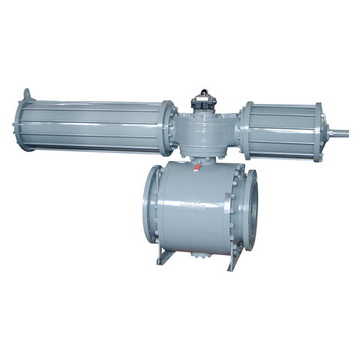
Yes, many manual ball valves can be fitted with actuators compatible with their size and specifications, enabling automation of existing valve installations.
Hot tags: Troubleshooting Motorized Ball Valves, Common Motorized Ball Valve Problems, Motorized Ball Valve Repair Guide, How to Fix Motorized Ball Valve Issues, Motorized Ball Valve Not Working Solutions, Ball Valve Electrical Fault Troubleshooting, Motorized Ball Valve Leakage Problems, Step-by-Step Ball Valve Troubleshooting, Motorized Ball Valve Stuck Open or Closed, Maintenance Tips for Motorized Ball Valve Issues