How Motorized Ball Valves Support Remote Control and Automation
Content Menu
● What is a Motorized Ball Valve?
● How Motorized Ball Valves Work in Automation
● Key Benefits of Motorized Ball Valves
>> Improved Safety Through Remote Operation
>> Versatility in Applications
● Specialized Types: 3-Way Motorized Ball Valves
● Integration with Industrial Control Systems
● Practical Considerations for Optimal Use
● Future Trends in Motorized Ball Valve Technology
● Frequently Asked Questions (FAQ)
>> 1. What industries benefit most from motorized ball valves?
>> 2. How do motorized ball valves improve safety?
>> 3. Can motorized ball valves be integrated with existing automation systems?
>> 4. What maintenance is required for motorized ball valves?
>> 5. What are the advantages of 3-way motorized ball valves?
Motorized ball valves have become indispensable components in modern industrial automation, providing precision, safety, and energy efficiency. These valves enable remote control and automate fluid flow management across critical sectors such as oil and gas, seawater desalination, and offshore drilling. This article explores how motorized ball valves work, their benefits, key applications, and how they enhance automation capabilities in complex industrial environments.
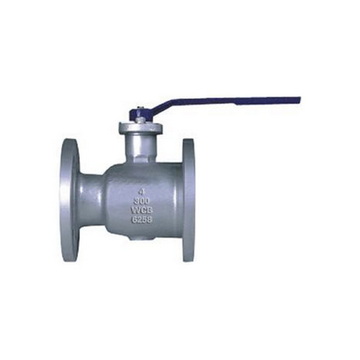
What is a Motorized Ball Valve?
A motorized ball valve, also known as an electric ball valve, is an automated valve equipped with an electric actuator that rotates a spherical ball within the valve body. This rotation opens or closes the valve by aligning or blocking the flow path. When the actuator receives a signal from a control system, it precisely controls the valve's position, allowing for accurate regulation of fluid flow.
The valve typically consists of two main parts:
- Electric actuator: Converts electrical signals into mechanical rotation.
- Ball valve assembly: Includes the valve body, ball, seat, and stem, which work together to control flow.
Motorized ball valves are adept at handling high and low pressures, aggressive or corrosive fluids, and a broad temperature range, making them versatile in many industrial applications.
How Motorized Ball Valves Work in Automation
Upon receiving an electrical signal, the actuator drives the ball to rotate 90 degrees to either permit or block flow. This operation can be integrated into complex control systems such as PLCs, DCS, or SCADA platforms, enabling fully automated fluid management without manual intervention.
Motorized ball valves support diverse control signals including analog (4-20mA), digital, and fieldbus protocols, making them compatible with modern industrial automation standards.
Key Benefits of Motorized Ball Valves
Enhanced Control Precision
Motorized ball valves provide outstanding control precision with position feedback accuracy within ±0.5°. They enable fine modulation of flow, beneficial in petrochemical refining, water treatment, and HVAC systems. Their fast response times (full open/close in under 10 seconds) ensure dynamic process adjustments.
Improved Safety Through Remote Operation
Operating valves remotely reduces risk exposure for personnel, particularly in hazardous or inaccessible environments like offshore platforms or chemical plants. Many models include fail-safe spring-return mechanisms that automatically close the valve during power loss, enhancing safety.
Energy Efficiency
Choosing low-power motorized ball valves optimized for specific operational needs can significantly reduce energy consumption. Programmable operation schedules and sensor-based activation optimize usage, keeping energy costs manageable even in facilities with hundreds of actuated valves.
Durability and Reliability
Constructed commonly with stainless steel, cast steel, or alloy steel, motorized ball valves resist wear and corrosion, achieving over one million operating cycles with minimal maintenance. These qualities make them highly dependable in demanding applications such as oil and gas or desalination plants.
Versatility in Applications
Motorized ball valves are widely used across:
- Oil and Gas: Pipeline flow control, wellhead isolation, refining processes.
- Water Treatment: Chemical dosing and filtration.
- Power Generation: Steam and water control in power stations.
- Chemical and Pharmaceutical: Managing corrosive or sterile fluids.
- HVAC: Temperature and flow regulation.
Their adaptability to varying process types boosts efficiency and automation in these sectors.
Specialized Types: 3-Way Motorized Ball Valves
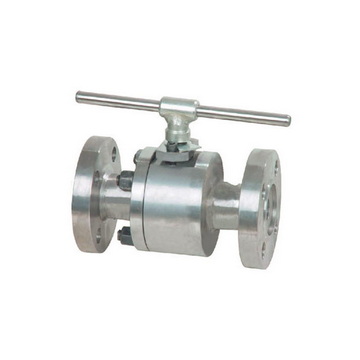
3-way motorized ball valves extend functionality by providing multiple flow paths, usually configured in L-port or T-port designs for diverting or mixing fluid streams. This makes them essential in complex industrial processes requiring fluid blending or diverting between tanks without manual valves.
Remote control and position feedback systems enable precise process adjustments and continuous performance monitoring, integrating seamlessly into automated control systems.
Integration with Industrial Control Systems
Motorized ball valves connect with SCADA and other industrial control software, enabling real-time monitoring and data collection such as flow rates, pressure, and temperature. Advances in Industrial IoT further enhance predictive maintenance and autonomous operation capabilities, offering operational cost savings and improved reliability.
Practical Considerations for Optimal Use
Proper valve selection, including sizing and material choice based on fluid properties and environmental conditions, is critical for optimal performance. For OEM customers, customization options such as different actuator types, communication protocols, and valve body materials ensure perfect integration.
Implementing remote diagnostics and smart sensors enables predictive maintenance, reducing unplanned downtime and extending valve lifecycle. Additionally, appropriate installation and commissioning by experienced technicians guarantee that motorized ball valves function flawlessly within complex automation architectures.
Future Trends in Motorized Ball Valve Technology
The future of motorized ball valves is tied closely with evolving technologies such as artificial intelligence and machine learning, which enable more intelligent valve management. Self-diagnostic capabilities and adaptive control algorithms will allow valves to automatically optimize their performance based on process conditions.
Sustainability concerns also drive the development of environmentally friendly materials and energy-saving actuator designs. Enhanced cybersecurity for valve control systems is becoming paramount to protect critical infrastructure from cyber threats.
Conclusion
Motorized ball valves empower industries to achieve precise, safe, and energy-efficient fluid control with the added advantage of remote operation and automation integration. Whether upgrading existing systems or designing new automated processes, these valves offer a reliable and smart solution tailored for demanding applications in oil and gas, seawater desalination, offshore drilling, and beyond.
Discover how upgrading to motorized ball valves can transform operational efficiency and safety. Contact our experts today to explore OEM customizations that perfectly fit your industry's needs.
Frequently Asked Questions (FAQ)
1. What industries benefit most from motorized ball valves?
Motorized ball valves are widely used in oil and gas, water treatment, chemical processing, power generation, HVAC, and food and beverage industries due to their precision control and automation compatibility.
2. How do motorized ball valves improve safety?
By enabling remote control, these valves reduce human exposure to hazardous environments. Fail-safe mechanisms also ensure automatic valve closure during power or system failures.
3. Can motorized ball valves be integrated with existing automation systems?
Yes, they support various protocols such as 4-20mA, Modbus, and fieldbus, ensuring easy integration with PLCs, DCS, and SCADA systems for seamless automation.
4. What maintenance is required for motorized ball valves?
Regular inspection, performance monitoring via integrated sensors, and timely servicing of actuators and seals ensure long-term valve reliability.
5. What are the advantages of 3-way motorized ball valves?
They offer versatile flow control options, including fluid mixing and diverting, with remote and automated operation critical for complex industrial processes.
Hot tags: Motorized Ball Valve Automation, Remote Control Ball Valve, Smart Valve Control System, Automated Flow Control, IoT Motorized Ball Valve, Electric Actuated Ball Valve, Industrial Valve Automation, Remote Monitoring Valve System, Building Automation Valves, Smart Home Water Control