Why ERP-Managed Production Enhances Motorized Ball Valve Quality
Content Menu
● Introduction to Motorized Ball Valves and ERP
● Enhanced Precision and Flow Control
● Real-Time Monitoring and Feedback Systems
● Programmability and Manufacturing Flexibility
● Operational Efficiency and Labor Reduction
● Energy Efficiency and Sustainable Production
● Predictive Maintenance and Lifecycle Management
● Integration with Modern Manufacturing Ecosystems
● Quality Assurance and Compliance
● Supply Chain and Inventory Management
● Data-Driven Decision Making and Continuous Improvement
● Enhanced Collaboration Across Departments
● Scalability and Future-Proofing Manufacturing
● Overcoming ERP Implementation Challenges
>> 1. How does ERP improve motorized ball valve manufacturing quality?
>> 2. Can ERP handle custom specifications for motorized ball valves?
>> 3. What operational cost savings does ERP bring?
>> 4. How does ERP facilitate Industry 4.0 integration?
>> 5. What challenges might manufacturers face implementing ERP?
Motorized ball valves have become indispensable components in critical industries such as oil and gas, seawater desalination, and offshore drilling platforms due to their ability to provide precise, reliable flow control. As manufacturing demands become increasingly complex, integrating Enterprise Resource Planning (ERP) systems into the production process has proven crucial in enhancing product quality, operational efficiency, and customer satisfaction. This article deeply explores how ERP-managed production elevates motorized ball valve manufacturing—highlighting precision control, real-time monitoring, seamless system integration, and the overall operational advantages that ERP technology unlocks.
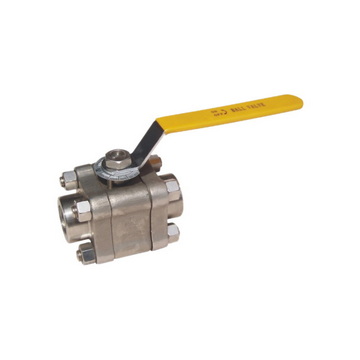
Introduction to Motorized Ball Valves and ERP
Motorized ball valves combine the robust, leak-tight design of traditional ball valves with electric actuators for automated, remote control of fluid flow. These valves enable fast response times, tight shutoff, and fine flow regulation critical for industrial processes.
With the rise of Industry 4.0 and digital transformation, ERP systems have become essential production management tools. ERP integrates all production facets—procurement, scheduling, quality control, inventory, and shipping—into one digital platform. This unified system eliminates silos, reduces errors, and systematically enhances manufacturing workflows required for complex components like motorized ball valves.
Enhanced Precision and Flow Control
Motorized ball valves excel at real-time flow regulation, responding instantly to control signals. Accurate positioning by electric actuators maintains optimal flow within tight tolerances, outperforming manual valves dependent on operator input.
ERP-managed production improves quality by scheduling manufacturing steps precisely—from raw material procurement, machining, assembly, to rigorous testing—ensuring components consistently meet exact specifications.
This precision is vital for industries where even minor deviations can affect safety or product quality, such as pharmaceuticals, chemicals, and high-pressure fluid systems.
Real-Time Monitoring and Feedback Systems
Modern motorized ball valves incorporate advanced sensors sending position and flow data (e.g., 4-20mA signals) to central control platforms. ERP collects this data continuously, powering predictive maintenance strategies and enabling quick detection of anomalies before failures occur.
By integrating these monitoring capabilities, manufacturers reduce unexpected downtime, optimize maintenance schedules, and extend valve lifecycles.
Such closed-loop control also minimizes material waste and ensures consistent product quality across manufacturing batches.
Programmability and Manufacturing Flexibility
ERP systems support multiple stored operation profiles and customized valve settings, enabling quick production line changeovers to accommodate client-specific requirements without physical modifications.
This flexibility enhances manufacturing throughput and equipment effectiveness by reducing downtime between orders while maintaining high standards.
Operational Efficiency and Labor Reduction
By automating valve assembly and inspection scheduling, ERP reduces the need for manual interventions, lowering labor costs and minimizing human errors that can lead to defects.
Human resources are freed to focus on value-added tasks such as quality control and process improvements, enhancing overall workforce productivity.
Automation also improves safety by decreasing worker exposure to hazardous environments in valve manufacturing.
Energy Efficiency and Sustainable Production
Motorized ball valves require minimal power during steady states, and ERP enables optimized scheduling that reduces machine idling and energy waste.
Better process control reduces the consumption of raw materials, chemicals, and utilities, contributing to sustainable manufacturing practices that align with corporate environmental goals.
Predictive Maintenance and Lifecycle Management
Continuous ERP-enabled tracking of actuator performance and valve position accuracy identifies early signs of wear or malfunction.
This predictive approach prevents unexpected failures, cuts emergency repair costs, and extends equipment lifespan, enabling effective asset management and capital planning.
Integration with Modern Manufacturing Ecosystems
Motorized ball valves integrate seamlessly with digital manufacturing platforms thanks to ERP compatibility with protocols like Modbus, Profibus, and Ethernet.
This connection empowers Industry 4.0 features such as IoT-enabled remote monitoring, cloud-based data analytics, and digital twins for process optimization.
Such advanced connectivity improves system visibility, operational agility, and decision-making.
Quality Assurance and Compliance
ERP enforces standardized inspection protocols, documenting every valve's production history from raw materials to final testing.
Real-time quality alerts allow quality managers to address defects immediately, lowering scrap rates and boosting client confidence.
This traceability also supports compliance with strict international standards (ISO, API, NACE), essential for OEM partnerships.
Supply Chain and Inventory Management
ERP automates material forecasting, supplier communication, and inventory tracking to ensure timely availability of high-grade components without overstocking.
Efficient logistics coordination reduces lead times and delivery delays, critical for meeting global OEM contract demands.
Data-Driven Decision Making and Continuous Improvement
ERP systems collect and analyze extensive production data, empowering manufacturers to make informed decisions based on accurate metrics. This capability enables continuous process optimization, cost reduction, and quality enhancement over time.
By tracking key performance indicators (KPIs) such as cycle times, defect rates, and supplier lead times, ERP facilitates lean manufacturing practices and rapid response to market changes.
Enhanced Collaboration Across Departments
ERP bridges communication gaps between production, procurement, quality assurance, and sales teams. By providing unified access to real-time information, all departments are aligned towards common goals, reducing misunderstandings and accelerating problem resolution.
This collaboration is particularly important when handling complex motorized ball valve orders that require coordination of custom specifications, certifications, and shipping schedules.
Scalability and Future-Proofing Manufacturing
As demand for motorized ball valves grows or product variations increase, ERP systems scale to manage higher volumes and complexity without sacrificing quality or delivery speed.
Additionally, ERP platforms are regularly updated to incorporate new technologies and regulatory changes, helping manufacturers stay competitive in evolving markets.
Overcoming ERP Implementation Challenges
Manufacturers may face initial high costs, employee resistance, and integration hurdles with existing machinery. However, thorough planning, phased deployment, ongoing employee training, and strong vendor support significantly ease the transition.
The long-term benefits of improved quality, higher productivity, and enhanced customer satisfaction justify the investment in ERP technology.
Conclusion
ERP-managed production revolutionizes motorized ball valve manufacturing, driving superior quality, operational efficiency, and Industry 4.0 readiness. By standardizing workflows, enabling real-time monitoring, predictive maintenance, and smart system integration, ERP empowers manufacturers to meet stringent global standards and OEM requirements. Embracing ERP technology ensures your business delivers reliable, high-performance motorized ball valves vital for demanding applications worldwide.
Contact our expert team today to explore how ERP-enhanced production can elevate your motorized ball valve offerings, streamline operations, and maximize competitive advantage.
Frequently Asked Questions
1. How does ERP improve motorized ball valve manufacturing quality?
ERP standardizes production workflows, integrates automated inspections, maintains material traceability, and delivers real-time defect alerts, ensuring consistent, high-quality products.
2. Can ERP handle custom specifications for motorized ball valves?
Yes, ERP efficiently manages detailed customer requirements and adjusts production plans to provide tailored valve designs and certifications.
3. What operational cost savings does ERP bring?
ERP reduces manual labor, prevents manufacturing errors, optimizes inventory, and supports predictive maintenance, significantly lowering production costs.
4. How does ERP facilitate Industry 4.0 integration?
ERP connects valve manufacturing with IoT devices, MES, SCADA, and cloud analytics, enabling remote monitoring, digital twins, and data-driven process optimizations.
5. What challenges might manufacturers face implementing ERP?
Challenges include initial investment, employee adaptation, and technical system integration, which can be successfully managed through training and gradual implementation.
Hot tags: ERP Managed Valve Production, Motorized Ball Valve Quality Control, ERP Manufacturing System for Valves, Automated Valve Production Management, Smart Factory Motorized Valve, ERP Integration in Valve Manufacturing, Quality Assurance in Valve Production, Digital Manufacturing for Ball Valves, ERP-Based Process Optimization, Industrial Valve Production Efficiency