Motorized Ball Valve Installation Guide for Optimal Performance
Content Menu
● Understanding Motorized Ball Valves
● Pre-Installation Preparations
>> 1. Confirm Valve Specifications
>> 3. Pipeline Cleaning and Inspection
>> 4. Gather Tools and Materials
>> Valve Orientation and Mounting
>> Lubrication
>> Cleaning
● Troubleshooting Common Issues
● Performance Optimization Tips
● Frequently Asked Questions (FAQs)
>> 1. What is the ideal orientation for installing a motorized ball valve?
>> 2. How often should motorized ball valves be maintained?
>> 3. Can motorized ball valves integrate with automation systems?
>> 4. What causes common electric actuator failures?
>> 5. How can a sticky motorized ball valve be fixed?
Motorized ball valves are crucial components in automated fluid control systems, offering fast and accurate flow regulation through electrically actuated ball mechanisms. These valves find extensive applications in critical industries such as oil and gas, seawater desalination, and offshore drilling platforms. Ensuring proper installation, routine maintenance, and correct operation are essential for achieving the best performance and durability from motorized ball valves. This comprehensive guide covers everything required to install, maintain, troubleshoot, and optimize motorized ball valves to meet demanding operational standards.
Understanding Motorized Ball Valves
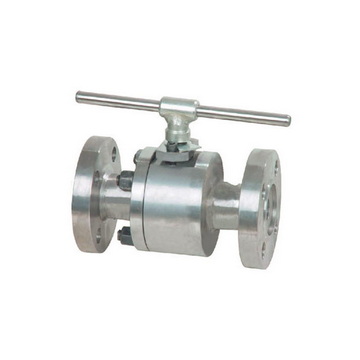
Motorized ball valves combine a traditional ball valve mechanism with an electric actuator that controls the ball's rotation. The ball inside has a bore, or hole, that when aligned with the pipeline allows fluid to flow freely. A 90-degree turn of the ball closes off flow entirely. The electric actuator offers remote control and precise positioning, reducing manual handling and supporting integration into automated process control systems. This combination results in improved efficiency, reduced labor costs, and enhanced safety when controlling industrial fluids or gases.
The design of motorized ball valves allows quick switching between open and closed states, which is ideal for rapid flow control. Their robust build caters to high-pressure and high-temperature environments, making them suitable for various industrial fluid control applications.
Pre-Installation Preparations
Before commencing installation, extensive preparation maximizes valve performance and reliability.
1. Confirm Valve Specifications
Carefully verify that the motorized ball valve matches system requirements, including voltage ratings, pressure limits, temperature capacity, and fluid compatibility. The actuator's power supply type and control signal protocols must be compatible with your control system. This step prevents installation errors and costly replacements.
2. Ensure Safety Measures
Prioritize depressurization and cooling of pipelines to avoid injury during installation. Use appropriate personal protective equipment (PPE) such as gloves, goggles, and workwear. Follow site safety regulations strictly.
3. Pipeline Cleaning and Inspection
Flush pipelines thoroughly before valve installation. Remove any debris, rust, or sediment that might impair valve operation or damage internal components. Installing filters or strainers upstream of the valve can protect it from contaminants during operation.
4. Gather Tools and Materials
Prepare all tools required, including torque wrenches, screwdrivers, wire strippers, adjustable spanners, and appropriate pipe sealants. Using the correct tools ensures proper installation torque and prevents damage to valve components.
Installation Procedure
Valve Orientation and Mounting
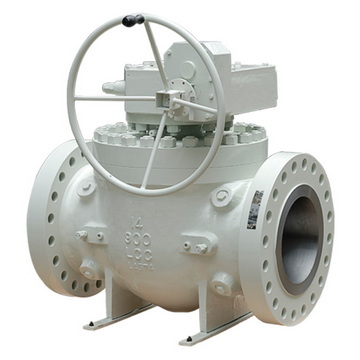
Proper orientation reduces leakage and actuator stress. The valve stem should be horizontal or slightly elevated above the horizontal plane. Position the valve so that the flow arrow on the valve body aligns with the fluid flow direction. Misalignment can cause premature wear or loss of seal integrity.
Mount the valve firmly within the pipeline using compatible fittings, such as bolts for flanged ends or thread sealant for threaded connections. For weld-in valves, remove internal components before welding and reinstall with manufacturer-supplied gaskets afterward to avoid weld damage.
Actuator Installation
Attach the electric actuator securely atop the valve bonnet, ensuring firm seating without gaps. Use specified screws or bolts to fasten the actuator without overtightening, as excessive torque can damage the actuator housing or valve stem. Follow manufacturer torque specifications carefully.
Electrical Connection
Wiring the actuator requires strict adherence to electrical diagrams supplied with the device. Connect power leads and control signal lines (e.g., 4-20mA current loops or Modbus communication) correctly. Ensure proper grounding to prevent electrical noise or hazards. Use cable glands and seal entry points to prevent moisture ingress, especially in harsh or outdoor environments.
Calibration and Testing
After power-up, many motorized ball valves perform internal calibration to define full open and close positions. Observe the actuator during this process to ensure smooth, unobstructed travel.
Conduct functional tests by cycling the valve open and closed while monitoring response time and position feedback. Check for leaks and mechanical binding. Verify operation with the control system to confirm communication accuracy.
Routine Maintenance
To maximize service life and performance, scheduled maintenance is essential.
Visual Inspections
Regularly check valve and actuator surfaces for signs of corrosion, damage, or leaks around seals and flanges. Inspect electrical wiring and connectors for wear or loosening.
Lubrication
Periodic lubrication of valve stems and actuator gears reduces friction, prevents wear, and ensures smooth movement. Use lubricants recommended by the valve manufacturer that are compatible with the fluids handled.
Cleaning
Keep valve exteriors free from dirt and grime. During maintenance shutdowns, internally clean valve components from residues or buildup that could hinder operation. Avoid harsh chemicals unless approved.
Functional Checks
Operate valves periodically under no-load conditions to maintain actuator health. Verify feedback signals and monitor for abnormal noises or vibrations indicating internal issues.
Troubleshooting Common Issues
- Valve Leakage: Typically caused by worn or damaged seals. Replace seals promptly and verify flange or threaded joint tightness.
- Electrical Failures: Check power supply integrity, control wiring, and fuses. Renew any damaged cables and confirm correct signal wiring.
- Slow or Sticky Valve Movement: Often due to debris accumulation or insufficient lubrication. Disassemble, clean, and re-lubricate components per manufacturer guidelines.
- Incorrect Valve Position Feedback: Recalibrate the actuator or inspect position sensors for faults.
Performance Optimization Tips
- Select motorized ball valves sized correctly for flow rates and pressure demands to prevent premature wear and ensure accurate control.
- Integrate valves with automation systems (PLC or SCADA) to enable real-time monitoring and remote operation, improving response times and overall system efficiency.
- Adjust actuator settings for torque and speed to match system requirements, avoiding unnecessary wear.
- Implement a preventive maintenance schedule customized to operational conditions and valve usage patterns.
Conclusion
A well-installed and properly maintained motorized ball valve is vital for efficient and reliable fluid control in critical industrial applications. Following this guide ensures the valve delivers precise control, minimizes downtime, and extends service life. For industries ranging from oil and gas to seawater desalination and offshore drilling, investing in high-quality motorized ball valve products along with professional OEM support guarantees dependable system performance and scalability.
Contact our expert team today to discuss how our motorized ball valve solutions can be tailored to meet your specific industrial needs, providing optimal control, safety, and operational efficiency.
Frequently Asked Questions (FAQs)
1. What is the ideal orientation for installing a motorized ball valve?
Install the valve with the stem in a horizontal or elevated position to prevent leakage and promote actuator longevity.
2. How often should motorized ball valves be maintained?
Maintenance should include monthly visual inspections and lubrication, with comprehensive servicing at least annually or as recommended by operational intensity.
3. Can motorized ball valves integrate with automation systems?
Yes, they support industry-standard protocols such as 4-20mA and Modbus, enabling seamless integration with control systems like PLCs and SCADA.
4. What causes common electric actuator failures?
Failures often arise from power supply issues, damaged wiring, or faulty control signals, all preventable through regular inspection and testing.
5. How can a sticky motorized ball valve be fixed?
Clean internal parts from debris and corrosion; then lubricate valve stems and actuator gears according to manufacturer recommendations.
Hot tags: Motorized Ball Valve Installation Guide, Electric Ball Valve Setup Instructions, How to Install Motorized Ball Valves, Industrial Valve Installation Best Practices, Motorized Valve Performance Optimization, Step-by-Step Valve Installation Process, Proper Wiring for Motorized Ball Valves, Tips for Efficient Valve Installation, Common Motorized Valve Installation Mistakes, Optimal Setup for Electric Ball Valves