Best Materials for Pneumatic Ball Valves in Harsh Environments
Content Menu
● Introduction to Pneumatic Ball Valves
● Importance of Material Selection for Pneumatic Ball Valves
● Valve Body Materials for Harsh Conditions
>> Carbon Steel and Alloy Steel
>> Plastic Materials and Coatings
>> Cast Iron
● Seal and Seat Materials for Longevity and Reliability
● Structural and Functional Design Features
● Applications in Harsh Industrial Settings
● Benefits of Selecting Premium Materials
● FAQs
>> 1. What materials are best for pneumatic ball valve bodies in harsh environments?
>> 2. What seal materials ensure pneumatic ball valves maintain integrity under corrosive conditions?
>> 3. How do trunnion-mounted ball valves differ from floating ball valves?
>> 4. What temperature ranges can high-quality pneumatic ball valves typically withstand?
>> 5. Why are pneumatic actuators favored for valve operation in harsh industries?
Introduction to Pneumatic Ball Valves
Pneumatic ball valves are essential components designed to control the flow of fluids in various industrial processes by utilizing compressed air to operate the valve mechanism. These valves are especially critical in harsh environments such as oil and gas extraction and processing, seawater desalination plants, and offshore drilling platforms. Their ability to provide reliable, fast, and precise flow control under extreme conditions makes them indispensable in industries where safety and efficiency are priorities.
Importance of Material Selection for Pneumatic Ball Valves
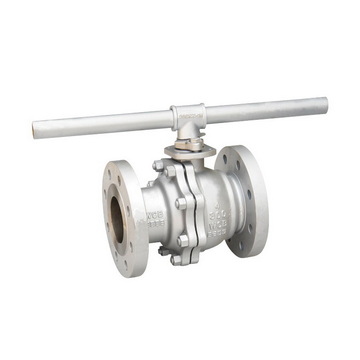
The selection of appropriate materials for pneumatic ball valves directly impacts their performance, durability, and safety, particularly in demanding environments. The operating conditions—characterized by high pressure, corrosive fluids, temperature extremes, and abrasive media—require materials that resist degradation and maintain sealing integrity over long periods. Components such as the valve body, ball, stem, and sealing elements must be chosen carefully to ensure optimal resistance to chemical corrosion, mechanical wear, and thermal expansion.
Valve Body Materials for Harsh Conditions
The valve body is the fundamental protective shell of the pneumatic ball valve, housing the internal components and bearing the brunt of environmental challenges.
Stainless Steel
Among the most widely used materials, stainless steel—especially grade 316L—offers excellent resistance to corrosion from aggressive chemicals and chloride ions typically found in seawater and oilfield fluids. It combines strong mechanical properties with chemical inertness, supporting long service life even under high pressures and temperatures.
In environments demanding even higher durability, duplex stainless steel or nickel-based alloys such as Inconel are preferred for their enhanced toughness, superior corrosion and erosion resistance, and better performance under thermal cycling.
Carbon Steel and Alloy Steel
Carbon steel is commonly selected for high-pressure and high-temperature applications in oil and gas industries due to its robust mechanical strength. Protective coatings and surface treatments are applied to improve its resistance to corrosion.
Alloy steels, containing elements like chromium, molybdenum, and vanadium, further enhance strength and hardness, allowing the valve to withstand wear from abrasive media and mechanical stresses.
Brass and Bronze
While brass and bronze offer good machinability and strength, they are generally used in less aggressive environments due to their vulnerability to dezincification when exposed to seawater or acidic fluids. Nickel-plated brass can improve corrosion resistance but is not suitable for the most severe industrial applications.
Plastic Materials and Coatings
Certain plastics such as PVC, CPVC, and reinforced PTFE are sometimes used for valve components or linings in chemical industries for their excellent corrosion resistance. However, due to their lower temperature and pressure limits, they are not preferred for heavy-duty pneumatic ball valves.
PTFE, in particular, is widely used as a coating for the ball or seats, offering low friction, chemical inertness, and temperature resilience, significantly enhancing sealing performance and durability.
Cast Iron
Cast iron is reserved for non-critical or low-pressure situations due to brittleness and limited corrosion resistance and is generally avoided in harsh and safety-critical applications.
Seal and Seat Materials for Longevity and Reliability
The seal and seat materials are crucial to valve performance, preventing leaks and ensuring tight shutoff.
- PTFE (Polytetrafluoroethylene) is the industry standard for seats, known for its exceptional chemical resistance, low friction, and operational temperature range typically up to 180°C. Its ability to handle a broad range of fluids makes it indispensable in pneumatic valve construction.
- FKM (Fluoroelastomer, e.g., Viton) is used in applications requiring resistance to oils, fuels, and certain chemicals. It is mechanically resilient but less tolerant to steam and hot water.
- EPDM (Ethylene Propylene Diene Monomer) seals are favored for water, steam, and acidic environments but fail when exposed to hydrocarbon oils, limiting their use in oil and gas sectors.
- Other specialty elastomers and composite materials are also utilized for seals tailored to particular chemical or temperature environments.
Structural and Functional Design Features
Pneumatic ball valves designed for harsh environments incorporate specific features to maximize performance:
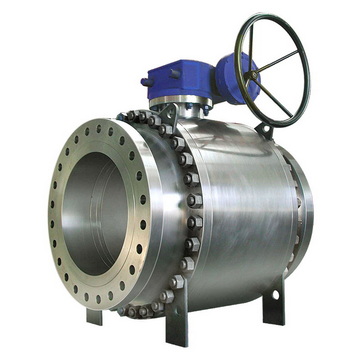
- Floating Ball Design: The ball is held in place by the seats and moves slightly under pressure, ideal for smaller valve sizes and moderate pressures.
- Trunnion Mounted Ball Design: The ball is anchored by a trunnion (shaft) and supported by bearings. This design reduces the load on the seats, lowering torque requirements, and is suited for larger valve diameters and higher pressures.
- Spring-Loaded Seats: Employ self-aligning spring mechanisms that maintain contact with the ball, improving sealing reliability even under pressure variations and wear.
- Dual or Double Block and Bleed Seats: Provide enhanced sealing capability and safety for bidirectional shut-off.
- Actuator Compatibility: Pneumatic actuators enable rapid and precise valve control, enhancing automation capabilities critical in high-demand environments.
Applications in Harsh Industrial Settings
Pneumatic ball valves with optimized materials and designs see extensive use in challenging environments:
- Oil and Gas Industry: Including upstream exploration and extraction, midstream transportation pipelines, and downstream refining. Valves must withstand corrosive fluids, high pressures, and temperature fluctuations.
- Seawater Desalination Plants: Exposure to saltwater and aggressive chemicals necessitates corrosion-resistant materials and robust valve designs.
- Offshore Drilling Platforms: Valves operate under extreme weather conditions, high humidity, and saline atmospheres, requiring materials resistant to corrosion and mechanical fatigue.
- Chemical and Petrochemical Plants: Handling aggressive acids, solvents, and high-temperature fluids require chemical-resistant seals and body materials.
- Power Generation and Municipal Water Treatment: These sectors demand reliable, low-maintenance valves capable of handling variable operating conditions.
Benefits of Selecting Premium Materials
Using high-grade materials such as stainless steel and engineered polymer seals for pneumatic ball valves yields critical advantages:
- Superior corrosion resistance significantly extends valve service life.
- Enhanced mechanical strength improves safety and reduces accidental failures.
- Better temperature tolerance ensures stable performance in thermal cycling.
- Reduced maintenance and downtime thanks to resistance to wear and chemical attack.
- Compatibility with automated pneumatic actuation systems facilitates faster operation and improved process control.
- Cost efficiency over time due to longevity and fewer replacements.
Conclusion
Selecting the best materials for pneumatic ball valves in harsh environments is vital for ensuring reliable operation, safety, and longevity across industries such as oil and gas, seawater desalination, and offshore drilling. Stainless steel grades like 316L and duplex, along with advanced alloys and PTFE-based seals, offer outstanding resistance to corrosion, temperature extremes, and mechanical wear. Coupling these materials with robust valve designs—like trunnion mounting, spring-loaded seats, and pneumatic actuation—maximizes valve performance and durability. For customized OEM solutions tailored to demanding industrial needs, partnering with experienced manufacturers who focus on precision material selection and product design is key to operational success.
Contact our expert team today to explore our high-quality pneumatic ball valves, engineered to meet your rigorous environment requirements with dependable performance and optimal safety.
FAQs
1. What materials are best for pneumatic ball valve bodies in harsh environments?
Stainless steel (especially 316L and duplex grades) and nickel-based alloys are preferred for their excellent corrosion resistance and mechanical strength. Carbon steel with protective coatings can be used where pressure demands override corrosion risks.
2. What seal materials ensure pneumatic ball valves maintain integrity under corrosive conditions?
PTFE is the most commonly used seat material, delivering broad chemical resistance and temperature tolerance. FKM and EPDM offer alternatives depending on specific fluid and temperature conditions.
3. How do trunnion-mounted ball valves differ from floating ball valves?
Trunnion-mounted valves anchor the ball with bearings, reducing seat load and torque, ideal for large diameters and high-pressure systems. Floating ball valves allow slight ball movement for sealing, better suited to smaller valves and moderate pressures.
4. What temperature ranges can high-quality pneumatic ball valves typically withstand?
They generally operate safely across a range from approximately -29°C to +250°C, depending on chosen materials and design.
5. Why are pneumatic actuators favored for valve operation in harsh industries?
Pneumatic actuators provide rapid, accurate valve control with minimal fire risk and excellent safety features, enabling high-frequency cycling necessary for modern automated industrial processes.
Hot tags: Best Materials for Pneumatic Ball Valves, Pneumatic Ball Valves for Harsh Environments, Corrosion Resistant Pneumatic Ball Valves, Stainless Steel Pneumatic Ball Valves, Durable Materials for Pneumatic Valves, High Temperature Pneumatic Ball Valves, Chemical Resistant Pneumatic Valves, Industrial Grade Pneumatic Ball Valves, Material Selection for Pneumatic Ball Valves, Heavy Duty Pneumatic Valve Materials