Pneumatic Ball Valve Applications in Upstream vs Downstream Oil & Gas
Content Menu
● The Evolution and Importance of Pneumatic Ball Valves in Oil and Gas
● Applications in Upstream Oil & Gas Operations
>> Visualizing Upstream Applications
● Applications in Downstream Oil & Gas Operations
● How Pneumatic Ball Valves Elevate Industry Performance
● Critical Factors for Application Success
● Case Studies: Transforming Operations with Pneumatic Ball Valves
● FAQ
>> 1. Why are pneumatic ball valves preferred for upstream oil and gas applications?
>> 2. How do pneumatic ball valves ensure safety during downstream refining processes?
>> 3. Can pneumatic ball valves be remotely monitored and controlled?
>> 4. What materials are commonly used in pneumatic ball valves for demanding environments?
>> 5. Are pneumatic ball valves more cost-effective than other actuation methods?
Pneumatic ball valves are increasingly transforming the oil and gas industry through their robust design, superior control, and quick responsiveness, making them indispensable in both upstream and downstream operations. As technologies advance, these valves continue to improve safety, efficiency, and reliability in critical applications worldwide.
The Evolution and Importance of Pneumatic Ball Valves in Oil and Gas
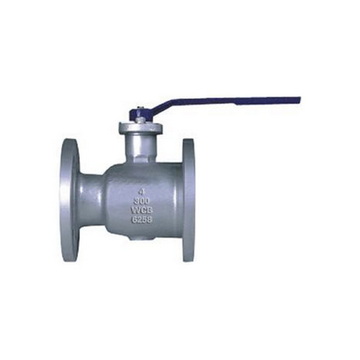
Pneumatic ball valves are engineered to operate with compressed air, which drives a rotary ball mechanism capable of quickly opening or closing the fluid flow path. Their extremely fast response time, coupled with high durability, positions them as a top choice for demanding environments across the oil and gas sector. Their ability to handle high pressures and corrosive substances, alongside their minimal pressure drop feature, ensures precise control and operational safety. Moreover, their design to withstand extreme temperatures and harsh chemical environments makes them ideal for the challenging conditions often encountered in oil fields, refineries, and pipeline systems.
Applications in Upstream Oil & Gas Operations
In upstream operations, where exploration, drilling, and production occur, pneumatic ball valves are vitally important for safety and operational efficiency. They are extensively used in wellhead control systems, enabling quick shutoff during emergencies to prevent blowouts or leaks, thereby safeguarding personnel and equipment. These valves are also integral in managing flow during drilling operations, especially for controlling the flow of crude oil, natural gas, or drilling mud.
Their versatility extends to chemical injection systems, where precise regulation of chemicals is critical for maintaining well integrity and preventing corrosion. In offshore platforms and subsea installations, pneumatic ball valves' resistance to corrosion and their capability for remote operation make them the ideal choice for controlling high-pressure fluids in complex environments.
Visualizing Upstream Applications
The typical installations include wellhead valves, blowout preventers, and chemical feed lines. Their quick action and reliable sealing capability ensure safety and efficiency in environments where failure could be catastrophic.
Applications in Downstream Oil & Gas Operations
Downstream processes involve refining, chemical processing, and distribution—areas that demand exact control over flow parameters to optimize production and ensure safety. Pneumatic ball valves are extensively utilized in refineries to regulate the flow of process fluids—such as hydrocarbons, chemicals, and byproducts. Their quick actuation capability allows for rapid isolation of sections during maintenance or emergencies to prevent accidents or leaks.
In petrochemical plants, these valves control the flow of highly corrosive substances and operate reliably under continuous high-pressure, high-temperature conditions. They are also used in pipeline transportation systems to manage flow rates and ensure the integrity of transportation lines.
Multimedia Showcase
Visual content displaying pneumatic ball valves in refinery control systems, pipeline valves, and chemical processing lines underscores their importance in gainful, safe, and efficient chemical and petroleum operations.
How Pneumatic Ball Valves Elevate Industry Performance
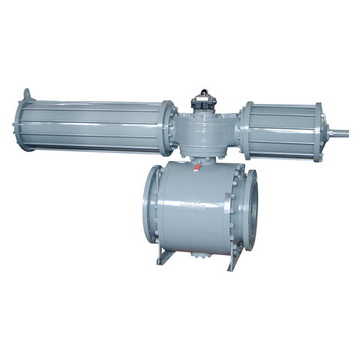
The advantages of pneumatic ball valves are multifaceted. They provide rapid actuation—completing full open-close cycles in less than a second—ensuring swift response in safety-critical situations. Their durability stems from high-quality materials like stainless steel and PTFE, which resist corrosion and wear over prolonged use in extreme environments.
Their compact design facilitates easy integration into existing control systems, reducing installation time and expenses. Additionally, pneumatic systems inherently eliminate electrical sparks, greatly reducing the risk of ignition in explosive atmospheres, which is paramount in oil and natural gas facilities.
Critical Factors for Application Success
The choice of pneumatic ball valves depends on several operational factors:
- Handling of high-pressure, corrosive, or toxic fluids requires specialized materials and sealing mechanisms.
- The necessity for remote operation and integration with SCADA systems to enable real-time monitoring, diagnostics, and predictive maintenance.
- Maintaining fail-safe operations through spring-return or double-acting actuators, especially in high-risk environments like offshore rigs or onshore pipelines.
Case Studies: Transforming Operations with Pneumatic Ball Valves
The adoption of pneumatic ball valves has led to tangible improvements in numerous industries. For example, an offshore natural gas extraction company reported a 70% reduction in valve maintenance costs after switching to pneumatic actuated designs featuring corrosion-resistant materials. The rapid response capability significantly enhanced safety protocols, preventing potential blowouts and leaks. Another refiner explained that integrating pneumatic ball valves into their pipelines improved flow accuracy, minimized shut-down times, and boosted overall throughput.
Conclusion
In conclusion, pneumatic ball valves are revolutionizing the oil and gas industry by providing unmatched control, safety, and reliability. Their capabilities extend from the high-pressure, extreme temperature conditions of upstream exploration to the precise flow management necessary in downstream refining and petrochemical production. As global energy demands increase, the importance of durable, rapid, and safe flow control devices like pneumatic ball valves becomes even more crucial. Their ongoing technological evolution promises further improvements in operational efficiency, safety standards, and environmental protection, making them a fundamental component of modern oil and gas infrastructure.
Partner with us for premium OEM pneumatic ball valves tailored to your industry needs. Elevate your operational safety and efficiency—reach out today for customized solutions that meet the most stringent standards.
FAQ
1. Why are pneumatic ball valves preferred for upstream oil and gas applications?
They offer rapid response, high durability, and resistance to harsh conditions such as high pressure, corrosion, and extreme temperatures, making them ideal for wellhead control and emergency shutdowns.
2. How do pneumatic ball valves ensure safety during downstream refining processes?
Their fast actuation and reliable sealing capabilities enable quick isolation of process sections during emergencies, reducing risk of leaks and explosions.
3. Can pneumatic ball valves be remotely monitored and controlled?
Yes, modern pneumatic ball valves often feature smart controllers and sensors, allowing integration with SCADA systems for remote operation, diagnostics, and predictive maintenance.
4. What materials are commonly used in pneumatic ball valves for demanding environments?
Stainless steel, PTFE, and other corrosion-resistant materials are typical, enabling the valves to withstand aggressive chemicals and corrosive environments.
5. Are pneumatic ball valves more cost-effective than other actuation methods?
Pneumatic valves often have lower maintenance costs, faster response times, and safer operation, providing overall cost savings especially in remote or hazardous locations.
Hot tags: Pneumatic Ball Valve in Oil and Gas Industry, Upstream vs Downstream Valve Applications, Oilfield Automation Valves, Pneumatic Control Valves for Pipelines, Valve Solutions for Refinery Operations, Ball Valve Selection for Oil & Gas, High-Pressure Pneumatic Valves for Drilling, Industrial Valves for Petrochemical Plants, Pneumatic Valve Systems for Energy Sector, Oil and Gas Flow Control Equipment