What to Look for in a Reliable Ball Valve Seat Manufacturer
Content Menu
● Understanding Ball Valve Seats
● Essential Features of High-Quality Ball Valve Seats
● Advanced Materials for Ball Valve Seats
● Manufacturing Excellence and Quality Processes
● Performance Testing and Certification Standards
● Design Versatility and OEM Customization
● Reliability, Technical Support, and Long-Term Partnership
● Application Insights: Oil & Gas, Desalination, Drilling
● Maintenance, Lifecycle, and Cost Efficiency
● Regulatory and Safety Considerations
● Innovations in Ball Valve Seat Solutions
● Building Lasting Relationships and Project Success
● Frequently Asked Questions (FAQ)
>> 1. What factors affect ball valve seat selection?
>> 2. How do I confirm a manufacturer's reliability?
>> 3. Are custom OEM ball valve seats available?
>> 4. What performance tests apply to oil & gas or seawater seats?
>> 5. How fast can OEM ball valve seats be produced and shipped?
Selecting a reliable ball valve seat manufacturer is vital for any enterprise operating in challenging fields such as oil and gas, seawater desalination, offshore drilling, and other fluid control sectors. The performance, durability, and precision of ball valve seats directly impact your system's safety, uptime, maintenance costs, and compliance profile. This comprehensive guide explores every key aspect you should evaluate when choosing your supplier or OEM partner for ball valve seats.
Understanding Ball Valve Seats
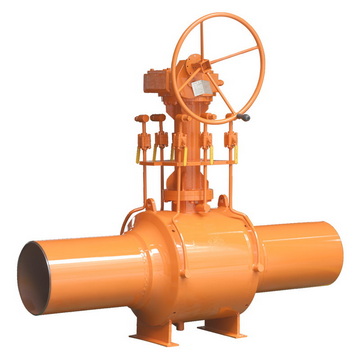
A ball valve seat is a critical sealing component nestled within the valve body, forming a tight interface with the rotating ball. Its job is to ensure leak-tight shut-off and regulate flow in demanding environments. The seat's geometry, surface finish, and elasticity must be engineered for both initial sealing and sustained performance under harsh pressure and temperature fluctuations.
High-performance seats adapt to minor ball surface changes, maintain seal in cycling operations, and resist aggressive process media. The choice of seat material, manufacturing quality, and product design all shape long-term reliability.
Essential Features of High-Quality Ball Valve Seats
Choosing a manufacturer dedicated to delivering robust ball valve seats ensures performance and peace of mind. Key features you should insist on include:
- Adaptive, long-lasting sealing performance that minimizes leakage under a wide range of operating pressures and temperatures.
- Chemical and corrosion resistance tailored to the specific media (oil, water, acids, hydrocarbons, seawater) for both upstream and downstream applications.
- High cycle durability, enabling the seat to pass frequent opening and closing cycles typical in automated control valves or process isolation points.
- Emergency fire-safe technology where, in case of fire, the seat transitions or chars to enable backup metal-to-metal sealing, preventing uncontrolled product discharge.
- Precision manufacturing that achieves tight dimensional tolerances, perfect surface finish for sealing, and repeatable seat geometry.
Advanced Materials for Ball Valve Seats
The choice of seat material profoundly shapes ball valve operational success. Top-tier manufacturers offer a selection of advanced polymers and engineered metals, each with unique strengths:
- PTFE (polytetrafluoroethylene): The standard for low friction, broad chemical resistance, and safe operation across broad temperature bands. PTFE seats are used everywhere from crude oil pipelines to water desalination modules.
- PEEK (polyether ether ketone): For severe service, PEEK seats offer high strength, abrasion resistance, and outstanding performance in aggressive and high-temperature environments.
- Metal seats (Stainless Steel, Inconel, Hastelloy): Required in extreme temperature, fire-safe, or erosive applications; metal seats can withstand thermal shock and mechanical wear.
- Reinforced materials: Glass-filled and carbon-filled PTFE, RPTFE, and UHMW-PE provide higher mechanical strength and lower creep, supporting high-pressure and high-cycle installations.
- Elastomers like Viton®, PCTFE, PPL, and silicone are chosen for specialized media compatibility or unique temperature requirements.
Selecting the ideal seat material requires careful review of temperature range, pressure rating, fluid compatibility, cycle frequency, and regulatory requirements.
Manufacturing Excellence and Quality Processes
Manufacturing precision is the backbone of valve seat reliability. Inspect supplier capabilities for:
- CNC Precision Machining: Delivers micron-level accuracy, ensuring that each seat seals perfectly and minimizes energy loss or wear.
- Injection Molding: Applies primarily for thermoplastic seats, allowing complex geometries tailored to valve bodies and pressure classes.
- Thermal Treatments and Surface Engineering: Particularly important for critical metal seats, where surface hardening or coating ensures enduring resistance to abrasion or aggressive fluids.
- Rigorous Inspection and Testing: Reputable manufacturers deploy multi-stage QA, including dimensional checks, surface finish analysis, and leak simulations.
- Traceability: Batch-level tracking for all materials ensures compliance and quality at every stage, from sourcing to shipment.
Performance Testing and Certification Standards
To achieve long-lasting results in hostile environments, ball valve seat suppliers must commit to top-grade testing and global certification, such as:
- API 6D/6A, ISO 15848-1, and fugitive emission standards for sealing and environmental safety.
- Cycle testing, leak proofing, and pressure blast trials to simulate operational conditions.
- Fire-safe and cryogenic validation for environments with severe temperature swings.
- Inspection reports and documentation for every order, supporting traceability and audit compliance.
These certifications differentiate true specialists from generic suppliers and increase buyer assurance for international projects.
Design Versatility and OEM Customization
OEM buyers need design flexibility, engineering support, and clear documentation for global market success. Seek partners who offer:
- Customized seat profiles tailored to your valve design, process requirements, and international standards.
- Laser logo marking, serialization, and private label branding options for every order, supporting unique customer identities.
- Full engineering documentation: CAD drawings, compliance sheets, and performance certificates delivered with product shipments.
- Small batch prototyping as well as high-volume runs—enabling rapid market launches and smooth scale-up.
- Integrated packaging solutions: Individual, export-ready, or custom shelf displays to suit international distribution.
Strong manufacturers will support both technical customization and marketing needs for your OEM business.
Reliability, Technical Support, and Long-Term Partnership
Reliability goes beyond technical prowess; it reflects in after-sales support, communication, and logistic capabilities:
- Technical experts who can consult on seat selection, material compatibility, and valve design support.
- Transparent communication from RFQ to final delivery, including status updates, engineering clarifications, and timely after-sales service.
- Robust logistics to ensure rapid, secure shipment worldwide—covering customs, export documents, and emergency response systems.
- Willingness to cooperate on unique projects, R&D initiatives, or next-generation valve designs.
Sustained value comes from manufacturers who act as partners—not just vendors.
Application Insights: Oil & Gas, Desalination, Drilling
Ball valve seats perform under constant challenge in:
- Oil and gas pipelines (upstream, midstream, and downstream): Seat reliability prevents leaks, supports high-frequency actuation, and maintains environmental compliance.
- Seawater desalination plants: Robust seat materials resist corrosion from saline flows and chemical dosing.
- Offshore drilling platforms: Harsh pressure, vibration, and corrosive conditions require precision seats with proven mechanical and material durability.
- Petrochemical and refining: Process fluids may be acidic, abrasive, or adhesive; ball valve seats must be selected for chemical compatibility, temperature range, and cleanability.
Maintenance, Lifecycle, and Cost Efficiency
Choosing superior ball valve seats contributes directly to lower total cost of ownership (TCO):
- Increased durability means fewer valve cycles lost to leakage, wear, or thermal shock.
- Robust seats extend mean time between failures (MTBF) and service intervals—saving cost and reducing downtime.
- Simplified maintenance, thanks to better surface finishes and geometry, eases inspection, seat replacement, and routine cleaning.
- Proper material matching prevents early seat degradation, avoiding emergency shutdowns and regulatory penalties.
Regulatory and Safety Considerations
Global standards—such as API, ISO, and environmental fugitive emission regulations—make seat selection and supplier qualification even more important. Compliance is not optional: it is proof of operational safety, environmental stewardship, and technical capability. Reliable suppliers update their products to new standards and provide all documentation for audits or certification reviews.
Innovations in Ball Valve Seat Solutions
Top manufacturers evolve rapidly, introducing innovative features for specific client needs:
- Low-emission seat designs to meet stricter fugitive standards.
- Antistatic seats for explosive atmospheres.
- Self-cleaning seat profiles for scaling or slurry handling.
- Fire-safe metal-backed seats.
- Universal seat compatibility for multi-brand OEM requirements.
As an OEM, collaborating with agile, innovative partners unlocks new business opportunities in competitive markets.
Building Lasting Relationships and Project Success
The most successful projects are built on collaboration. Reliable manufacturers focus on long-term client relationships by delivering:
- Consistent quality and delivery performance, supporting project deadlines and market launches.
- Open engineering dialogue, incorporating client feedback and improvement suggestions.
- Co-development opportunities for specialty valve seats or new process applications.
- Flexible service—accommodating urgent orders, R&D prototypes, or unique certification needs.
Conclusion
Choosing the right ball valve seat manufacturer is a cornerstone of safe, efficient, and profitable operations in modern fluid control industries. From advanced materials and precision manufacturing to robust testing, certifications, and full OEM support, the best suppliers offer not just products but solutions and long-term partnership. Make your decision with a focus on technical expertise, reliability, communication, and customizability to unlock enduring performance, regulatory compliance, and global competitive advantage.
If your project demands premium ball valve seats—delivered with custom design, certified quality, and responsive service—reach out now for tailored consultation and quotes. Take the next step in securing your operational reliability and success.
Frequently Asked Questions (FAQ)
1. What factors affect ball valve seat selection?
Ball valve seat selection depends on your application's fluid, temperature, pressure, required chemical resistance, abrasion risk, and desired cycle life. Expert consultation is essential to choose materials (PTFE, PEEK, metal, reinforced polymers) tailored for each condition.
2. How do I confirm a manufacturer's reliability?
Review certifications (API, ISO, fire-safe, emission standards) and verify regular product testing reports, batch traceability, and references in your industry. Site audits or technical discussions can further qualify supplier expertise.
3. Are custom OEM ball valve seats available?
Professional manufacturers offer custom dimensions, seat geometries, branding, packaging, and engineering documentation, ensuring solutions tailored for OEM and private label clients worldwide.
4. What performance tests apply to oil & gas or seawater seats?
Expect cycle life, leakage, fire-safe, and corrosion resistance tests, with full traceability and international certificates provided for each shipment. Extra test options are available for unique process requirements.
5. How fast can OEM ball valve seats be produced and shipped?
Lead times vary: rapid prototyping may take 2–4 weeks, with global logistics available for export orders. Discuss urgent needs directly with your supplier to coordinate solutions.
Hot tags: Reliable Ball Valve Seat Manufacturer, Choosing a Ball Valve Manufacturer, Ball Valve Seat Quality, Best Ball Valve Seat Manufacturers, OEM Ball Valve Seat Supplier, Ball Valve Seat Manufacturing Standards, Durable Ball Valve Seats, Trusted Ball Valve Seat Brands, Industrial Valve Seat Manufacturers, High-Quality Ball Valve Seats