Ball Valve Seat Standards: What API, ISO, and ANSI Require
Content Menu
● Ball Valve Seat: Core Concepts and Roles
● API, ISO, and ANSI: The Standards Landscape
● Design and Manufacturing Considerations for Ball Valve Seats
● Applications and Industry-Specific Insights
● Practical Design Recommendations for OEMs
● Conclusion and Call to Action
● FAQ
>> What is Ball Valve Seat material best for high-temperature service?
>> How does API 6D influence Ball Valve Seat design?
>> What are the common leakage classes for Ball Valve Seats?
>> How to select Ball Valve Seat for seawater desalination applications?
>> What testing should accompany Ball Valve Seat validation for OEM orders?
Introduction
Ball Valve Seat plays a central role in the sealing performance of valves used across oil and gas operations, seawater desalination, and offshore drilling platforms. For OEMs supplying foreign brands, wholesalers, and manufacturers, understanding how API, ISO, and ANSI standards shape seat design, material choice, testing, and documentation is essential to ensure safety, reliability, and market acceptance. This article provides a comprehensive overview of the Ball Valve Seat standards, explores design considerations for floating ball valves, trunnion/ear-pin ball valves, and top-entry ball valves, and offers practical guidance for material selection, testing regimes, and compliance. Throughout, the emphasis remains on Ball Valve Seat as a critical determinant of leak-tight performance, service life, and total cost of ownership in demanding environments.
Ball Valve Seat: Core Concepts and Roles
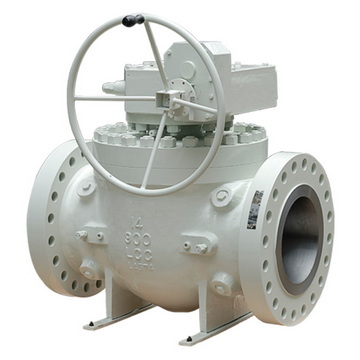
A Ball Valve Seat is the interface that defines the primary seal between the ball and the valve body. It must withstand repeated opening and closing cycles, high differential pressures, temperature fluctuations, and corrosive or erosive media. Seats come in several families: soft seats (often PTFE or elastomeric compounds), metal seats (involving hard-facing or solid metal contact), and hybrid configurations that blend the best of both worlds. In floating ball valves, seats carry the load and accommodate minor misalignment, while in top-entry and ear-pin configurations the seating interface also contributes to alignment stability and serviceability. The choice of seat material, geometry, and finish directly affects seal integrity, leakage rates, and maintenance intervals. For OEM projects, a well-documented seat strategy translates into faster qualification with international customers and smoother regulatory audits.
API, ISO, and ANSI: The Standards Landscape
- API standards focus on safety and performance for valves used in oil and gas pipelines. API 6D governs pipeline valves, outlining requirements for materials, testing, and performance, with specific implications for Ball Valve Seat design, leakage control, and demonstrable reliability under field conditions. In OEM contexts, aligning seat design with API expectations reduces rework and accelerates qualification for end users.
- ISO standards emphasize global interoperability and consistency. ISO 17292 provides design, construction, testing, and material requirements for ball valves, offering a harmonized framework that supports cross-border supply chains. For OEMs, adopting ISO-aligned seat designs helps ensure compatibility across regions and simplifies supplier qualification and customer audits.
- ANSI standards establish interfaces and performance criteria widely used in North American markets. ANSI B16.34 covers valve dimensions, pressure-temperature ratings, and materials, while other ANSI/ASME standards address testing protocols and permissible leakage levels. For Ball Valve Seat, ANSI-aligned tolerances and seat configurations facilitate safe, reliable operation within U.S. and Canadian installations and enable straightforward aftermarket support.
- Leakage tests and classifications are central to seat performance. Standards such as ANSI FCI 70-2, ISO 5208, API 598, and EN 12266-1 define leakage classes and test methods for valve seats. Understanding how each class translates to specific applications and seat materials helps OEM teams select appropriate seat designs and provide compliant test data to customers.
- Material and process considerations. Seat materials range from inert PTFE and other fluoropolymers to metal alloys with corrosion resistance and high-temperature capability. Hybrid seats combine soft sealing with metal-to-metal contact to balance sealing performance and durability. Selecting the right combination depends on media compatibility, temperature, pressure, and maintenance expectations. Compliance with API, ISO, and ANSI requirements ensures traceability of materials, coating specifications, and heat treatment histories.
Design and Manufacturing Considerations for Ball Valve Seats
- Material selection strategy. For high-temperature, high-pressure service, metal seats or metal-reinforced designs offer robust performance. In aggressive media or cryogenic applications, carefully chosen soft materials—potentially with specialized fluoropolymers or coatings—can minimize leakage while meeting compatibility requirements. Sealing performance must be validated under representative service conditions, with attention to thermal expansion differences between ball and seat.
- Seat geometry and surface finish. The geometry of the seating surface, including radius, curvature, and contact stress distribution, governs initial seal quality and long-term wear behavior. Surface roughness (Ra) and hardness distribution influence seating stability and resistance to galling or abrasion. Precision machining and controlled finishing processes are essential to achieve consistent seal performance across production lots.
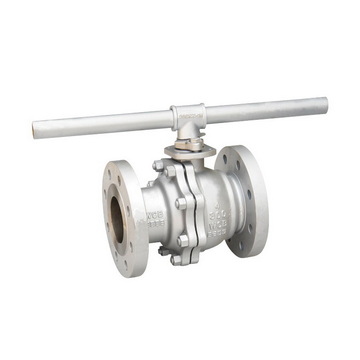
- Sealing kinematics in different valve types. Floating ball valves rely on the seat to provide a balanced seal under load, while top-entry and ear-pin designs require robust seating alignment and ease of assembly. The seating arrangement must accommodate potential misalignment and allow for straightforward replacement during maintenance, minimizing downtime.
- Testing regimes. OEM programs should incorporate a comprehensive suite of tests: seat leakage tests, hydrostatic and pneumatic tests, cold/hot cycling, and corrosion resistance assessments. Documentation should include test procedures, results, certificates of conformity, and traceability records for each batch of seats and finished valves.
- Coatings and surface treatments. Anti-wear and anti-corrosion coatings can extend seat life, especially in seawater desalination and offshore environments. Surface treatments must be compatible with the base material and service temperature to avoid bond failure or delamination under cyclic loading.
- Assembly and maintenance considerations. Designing seats with standardized fastenings, modular seal components, and clear installation guidance reduces field service time and errors. Providing spare parts kits with clearly labeled seals and gaskets simplifies maintenance for OEM customers and downstream distributors.
- Reliability, safety, and lifecycle cost. A well-quantified lifecycle view—covering initial procurement, installation, preventive maintenance, and eventual replacement—helps customers understand the total cost of ownership. Transparent data on leakage performance, replacement intervals, and material provenance strengthens trust with brand owners and end users.
Applications and Industry-Specific Insights
- Oil & gas upstream, midstream, and downstream. Ball Valve Seat performance under high pressures and diverse media is critical. OEMs must ensure that seats tolerate gas, crude oil, and refined products while meeting regulatory scrutiny and operating in remote, offshore environments.
- Seawater desalination. In desalination plants, exposure to brine and chlorides necessitates corrosion-resistant seat options and robust seal geometry to minimize fouling and leakage. Coatings and corrosion inhibitors can complement seat materials to extend service life.
- Offshore drilling platforms. The harsh maritime environment elevates the importance of seal integrity and maintenance ease. Spare seat availability, standardized components, and documentation that aligns with international standards are valuable for logistics and compliance on remote sites.
Practical Design Recommendations for OEMs
- Standardize seat families. Offer a core set of seat materials and geometries that cover common service envelopes but remain adaptable for specific customer requirements. This approach accelerates material qualification, reduces lead times, and simplifies aftermarket support.
- Prioritize compatibility documentation. Maintain complete material certificates, coating specifications, heat treatment records, and test reports. Provide customers with a ready-to-submit compliance package suitable for regional audits.
- Emphasize maintainability. Design seats with quick-release or modular components to minimize downtime during maintenance. Include installation tips and torque guidelines to prevent over-tightening or damage to mating surfaces.
- Incorporate traceability. Implement lot-level traceability for seat components, including supplier lot numbers, material test results, and processing records. This information supports customer audits and regulatory compliance.
Conclusion and Call to Action
Ball Valve Seat is a pivotal element governing the reliability, safety, and lifecycle cost of critical valve systems in demanding environments. By aligning seat design with API, ISO, and ANSI standards and by implementing rigorous testing and traceable documentation, OEMs can deliver high-performance products that meet the expectations of global brands, wholesalers, and end users. For collaboration opportunities, material recommendations, testing plan development, and end-to-end support—from design through to certification and after-sales—foreign brands and distributors are invited to contact the OEM team to discuss tailored Ball Valve Seat solutions. A partnership can unlock faster lead times, standardized assemblies, and a robust supply chain capable of supporting offshore and seawater desalination projects worldwide.
FAQ
What is Ball Valve Seat material best for high-temperature service?
In high-temperature environments, metal seats or metal-reinforced designs are favored for their stability under thermal stress and resistance to creep, while soft seats may be used in combination with protective coatings to extend service life when temperatures allow.
How does API 6D influence Ball Valve Seat design?
API 6D imposes requirements on materials, testing, and performance for pipeline valves, including seat design considerations to meet specified pressure ratings and leakage controls, which informs OEM selection and documentation strategy.
What are the common leakage classes for Ball Valve Seats?
Leakage classifications vary by standard (for example ANSI FCI 70-2, ISO 5208, API 598). They define acceptable leak rates under specified test conditions and help guide material and seating choices for target applications.
How to select Ball Valve Seat for seawater desalination applications?
Selection should emphasize corrosion resistance to brine exposure, compatibility with chlorine-based treatments, and durability under continuous operation, with surface coatings or hybrid seat designs considered to extend service life.
What testing should accompany Ball Valve Seat validation for OEM orders?
A comprehensive package including seat leakage testing, hydrostatic and pneumatic tests, material certifications, coating specifications, and traceable documentation should accompany OEM validation to satisfy customer audits and regulatory expectations.
Hot tags: Ball Valve Seat Standards, API Ball Valve Standards, ISO Ball Valve Seat Requirements, ANSI Valve Seat Standards, Valve Seat Certification, Ball Valve Industry Standards, Compliance with Ball Valve Standards, API ISO ANSI Valve Seat Regulations, Valve Seat Quality Standards, International Valve Seat Specifications