Top 5 Ball Valve Seat Materials for Chemical Processing Plants
Content Menu
● Overview of Seat Material Categories
● Material 1: PTFE and PTFE-based Composites
● Material 2: PEEK and PEEK-based Composites
● Material 3: UHMW-PE and Modified UHMW-PE
● Material 4: Ceramics and Ceramic-based Seats (e.g., Si3N4)
● Material 5: Metal Seats (Nickel-based Alloys, Stainless Steels, and Hard-facing)
● Applications Across Chemical Processing Plants
● Material Selection Framework for OEM Projects
● Manufacturing and Quality Assurance Considerations
● FAQ
>> 1. What are the main Ball Valve Seat materials, and what are their pros and cons?
>> 2. How should one select a valve seat material for a chemical processing plant?
>> 3. How do PTFE and PEEK compare under high temperature and high pressure conditions?
>> 4. In which scenarios are ceramic seats most cost-effective?
>> 5. How can OEM services help reduce total cost of ownership for chemical plants?
Introduction
Chemical processing plants demand exceptionally robust sealing solutions due to the varied and demanding service environments they present. Ball Valve Seat is a critical element in the valve assembly that dictates sealing integrity, leak tightness, wear resistance, and lifecycle cost. A well-chosen seat material must endure aggressive chemical media, high or fluctuating temperatures, and dynamic flow conditions while maintaining dimensional stability and low friction during operation. This article presents a comprehensive view of the top five Ball Valve Seat materials suited for chemical processing facilities, detailing their properties, typical applications, and practical guidance for OEM projects. It also provides a framework for material selection, manufacturing considerations, and a practical roadmap from design to mass production that OEM partners can adopt to deliver reliable high-performance valve systems for chemical processing plants, including petrochemical complexes, solvent handling, and high-purity contexts.
Overview of Seat Material Categories
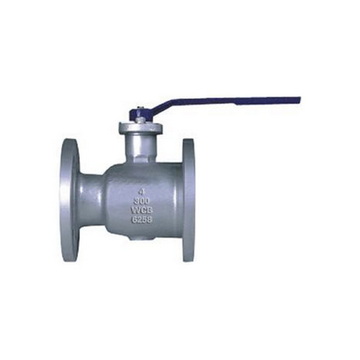
Ball valve seats can be categorized into soft seats, hard seats, and metal seats, each with distinct sealing mechanisms and performance envelopes. Soft seats, usually elastomers or polymers, offer excellent sealing performance and low friction but may have temperature or chemical limitations. Hard seats, including reinforced polymers, ceramics, and metal options, provide superior mechanical strength and thermal stability but require careful design to maintain sealing integrity under cycling loads. Metal seats extend service life in severe service where abrasive media, high temperature, or high pressure demand metal-to-metal or hybrid seals. In chemical processing, selecting the right balance among chemical compatibility, temperature range, wear resistance, and overall lifecycle costs is essential. The five materials discussed here—PTFE, PEEK, UHMW-PE, ceramics, and metal seats—cover a broad spectrum of performance needs, from highly corrosive media to high-temperature, high-pressure service.
Material 1: PTFE and PTFE-based Composites
PTFE is renowned for exceptional chemical inertness and very low friction, enabling excellent sealing performance in many aggressive chemical environments. PTFE-based composites, often reinforced with fillers such as glass, carbon, or other fibers, improve mechanical strength and temperature resistance without sacrificing chemical compatibility. In chemical processing plants, PTFE seats excel in acids, bases, and common solvents where aggressive attack on metals would otherwise degrade seals. However, PTFE alone has limitations in high-temperature or high-load scenarios; its thermal stability and creep resistance under sustained high pressure must be managed. For OEM implementations, PTFE-based seats can be designed as flexible soft-seated components or as composite cores that combine PTFE with reinforcing fillers to extend service life. In practice, engineers pair PTFE with compatible backing metals and surface treatments to optimize seal stability across temperature swings and pressure pulsations. PTFE seats are also favored for routine sanitization and wash-down cycles in industries requiring cleanability and chemical compatibility. This makes PTFE an attractive option for chemical processing lines that handle reactive organics, chlorinated solvents, or strong mineral acids, where maintaining low leakage and easy replacement are pivotal to operation.
Material 2: PEEK and PEEK-based Composites
PEEK offers a superior balance of mechanical strength, high temperature capability, and chemical resistance, making it a popular choice for higher-performance chemical service. Its rigid backbone and excellent dimensional stability enable precise seating and durable sealing under demanding thermal cycles. PEEK-based seats can operate at higher temperatures and pressures than PTFE without significant degradation, and they tolerate more aggressive media with less mechanical relaxation. For OEM contexts, PEEK seats are often employed as hard-soft or full-hard options depending on the application. Enhanced PEEK composites, including fiber-reinforced grades or ceramic-filled variants, further extend temperature and wear resistance, enabling longer service life in challenging media such as concentrated acids, caustics, or solvents at elevated temperatures. While PEEK seats bring improved performance, they come with higher material costs and a need for precision machining and consistent quality control to ensure reliable seal interfaces. OEM teams commonly implement PEEK seats with robust backing rings and tailored lubricants or surface finishes to minimize wear and maintain seal integrity across cycles.
Material 3: UHMW-PE and Modified UHMW-PE
UHMW-PE provides excellent wear resistance, low friction, and impact toughness, with significantly lower cost compared to high-performance polymers. Its frictional behavior and self-lubricating characteristics reduce torque requirements and enable smoother operation in high-cycle applications. UHMW-PE is well-suited for mid-range temperature service and moderate pressures. However, its limiting factor is thermal stability; prolonged exposure to high temperatures can lead to softening or creep, affecting seating performance. For OEM applications, UHMW-PE seats are often used in conjunction with compatible backing materials or as composite configurations to extend service life in moderate chemical environments. Modified UHMW-PE, incorporating fillers or surface treatments, can offer improved wear resistance and modestly enhanced temperature performance. In chemical processing lines where sample economics, frequent cycling, and cleanability are priorities, UHMW-PE seats offer a compelling option, provided operating temperatures remain within a safe envelope and chemical compatibility is assured.
Material 4: Ceramics and Ceramic-based Seats (e.g., Si3N4)
Ceramics, particularly silicon nitride and other advanced ceramic composites, deliver outstanding hardness, wear resistance, and thermal stability. Ceramic seats excel in highly abrasive or erosive service conditions, high-temperature exposures, and chemically aggressive media where metal or polymer seats would wear rapidly. The downside of ceramic seats is higher brittleness risk, potential brittleness-related failure under impact, and higher manufacturing costs. Therefore, their deployment in OEM projects requires careful design of the seating geometry, backing support, and mating components to mitigate fracture risk. Ceramic seats are often paired with metal or polymer backing to absorb shocks and provide balanced load distribution, achieving long service life in severe service environments such as high-velocity particle-laden streams or hot caustic processes. In chemical processing contexts, ceramic seats are well-suited for high-temperature corrosive service, high-purity processes where contamination must be minimized, and long-term wear resistance in abrasive media. The performance benefits are substantial when longevity and leak-free operation are critical, although total cost of ownership should be evaluated against replacement schedules and production capabilities.
Material 5: Metal Seats (Nickel-based Alloys, Stainless Steels, and Hard-facing)
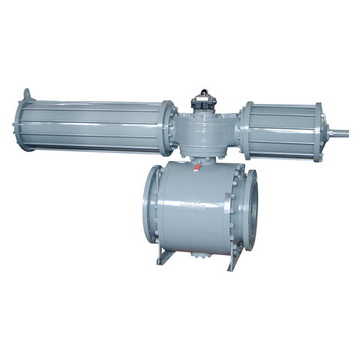
Metal seats—utilizing nickel-based alloys, stainless steels, or hard-facing coatings—provide outstanding strength, heat resistance, and chemical compatibility in extreme service. These seats are particularly valuable in high-temperature, high-pressure, or highly aggressive media environments where polymer or ceramic seats might fail or wear too quickly. Metal seats can withstand aggressive oxidation, chlorides, and caustic environments when properly alloyed and treated. Yet, metal seats require precise engineering of the sealing interface and often more sophisticated backing, as metal-to-metal or hybrid seal configurations may be necessary. For OEM projects, metal seats are designed with consideration of thermal expansion coefficients, flange interfacing, and compatibility with the selected ball material to minimize leakage pathways and ensure enduring performance. The lifecycle cost of metal seats should include the potential for longer replacement intervals, reduced maintenance, and improved reliability in demanding process lines such as hydrocarbon processing, aggressive cleaning cycles, or high-shear mixing streams.
Applications Across Chemical Processing Plants
In chemical processing, the choice of Ball Valve Seat material is driven by media compatibility, process temperature, pressure regimes, and maintenance strategies. Media such as strong acids, bases, oxidizers, solvents, and brines demand materials with explicit chemical resistance and minimal swelling or degradation. High-temperature processes, including steam-assisted reactions or high-temperature separation steps, require seats with robust thermal stability and predictable deformation characteristics. High-pressure service, including slurry lines or gas handling, pushes materials toward enhanced wear resistance and stable sealing under dynamic loading. Cleanliness and sterilization requirements, particularly in pharmaceutical or biotechnology-adjacent lines, favor materials with proven resistance to repeated sanitization cycles. Therefore, the ideal seat material selection is often a function of a matrix that accounts for chemical compatibility, temperature and pressure windows, wear resistance, and lifecycle cost, integrated with the OEM's manufacturing capabilities.
Material Selection Framework for OEM Projects
For OEM collaboration, a structured material selection framework improves predictability and product performance. The framework typically includes:
- Media Compatibility Matrix: Build a matrix mapping media types to material classes, performing long-term corrosion and erosion assessments and validating with accelerated aging tests.
- Temperature and Pressure Windows: Define acceptable operating ranges and verify that seats maintain dimensional stability and sealing integrity throughout thermal cycles and pressure fluctuations.
- Lifecycle Cost Analysis: Consider raw material cost, processing complexity, expected service life, maintenance frequency, and global supply chain resilience to minimize total cost of ownership.
- Manufacturing Feasibility: Align material choices with available machining capabilities, surface treatments, bonding methods, and assembly processes to ensure consistent quality in mass production.
- Verification Plan: Establish a comprehensive testing protocol including chemical compatibility, leak testing, dynamic cycling, and field validation to assure performance before committing to full-scale production.
Manufacturing and Quality Assurance Considerations
Quality and reliability hinge on rigorous manufacturing controls and traceability. That includes:
- Material Certification and Traceability: Source materials with documented chemical composition, mechanical properties, and batch traceability to support audits and quality assurance.
- Processing and Surface Treatments: Tailored machining tolerances, surface finishes, bonding or sealing interfaces, and heat treatments to ensure uniform seating surfaces and predictable performance.
- Thermal Cycling and Fatigue Testing: Simulate real-world thermal fluctuations and pressure transients to assess seal stability and damping behavior over the valve life.
- On-site Validation: Field trials and commissioning tests verify that the OEM-design valves meet performance expectations under actual process conditions, providing data to validate the design.
OEM Implementation Roadmap
An effective OEM roadmap integrates product design with manufacturing readiness and customer collaboration. Key milestones include:
- Requirement Clarification: Align with brand owners, distributors, and system integrators to determine media, temperature, pressure, service cycles, and maintenance plan.
- Material Selection and Validation: Use compatibility data, laboratory tests, and pilot prototypes to validate seal performance and reliability across expected duty cycles.
- Prototype Valve and Field Testing: Deliver prototypes for targeted process lines, monitor performance, capture data, and refine design to address anomalies or changing conditions.
- Mass Production and Quality Management: Implement rigorous inspections, incoming material checks, process controls, and final testing to ensure consistent performance across all units.
- Customer Training and Support: Provide technical training, maintenance manuals, and long-term technical assistance, helping customers achieve optimal total cost of ownership.
Conclusion
Choosing the right Ball Valve Seat material for chemical processing plants is a balance between chemical resistance, thermal stability, mechanical strength, and lifecycle economics. PTFE-based seats offer excellent chemical inertness and low friction for many corrosive media, while PEEK provides higher temperature capability and mechanical robustness for demanding service. UHMW-PE delivers cost-effective wear resistance in moderate service, ceramics deliver exceptional wear performance under high abrasion and high temperature, and metal seats provide maximum strength and chemical compatibility for extreme conditions. OEM partnerships should implement a structured material selection framework, rigorous validation plans, and a clear production roadmap to ensure reliable performance, reduced maintenance, and optimized total cost of ownership. For tailored valve seat solutions, OEM teams can provide media analysis, material recommendations, prototype testing, and mass production plans, supported by global supply chain resilience and technical expertise. The collaboration can deliver high-performance, long-lasting valve solutions that meet the stringent demands of petrochemical plants, seawater desalination facilities, and offshore drilling operations.
FAQ
1. What are the main Ball Valve Seat materials, and what are their pros and cons?
PTFE: excellent chemical resistance and low friction but limited high-temperature performance; PEEK: higher temperature capability and mechanical strength but higher cost; UHMW-PE: strong wear resistance and cost-effective but limited to moderate temperatures; Ceramics: superb wear resistance and high temperature tolerance but brittle and costly; Metal seats: maximum strength and chemical compatibility for extreme service but require precise engineering and sealing design.
2. How should one select a valve seat material for a chemical processing plant?
Start with a media compatibility assessment, then evaluate temperature and pressure windows, wear resistance needs, life-cycle costs, and manufacturing feasibility. Validate with accelerated aging tests, thermal cycling, and field trials, ensuring the chosen material interfaces well with the ball material and seat design.
3. How do PTFE and PEEK compare under high temperature and high pressure conditions?
PTFE maintains excellent chemical resistance but has lower temperature and creep resistance, suitable for moderate high-temperature conditions when used with reinforcing strategies. PEEK offers superior high-temperature performance, higher stiffness, and better dimensional stability, making it suitable for high-temperature/high-pressure service, albeit at higher cost and manufacturing precision requirements.
4. In which scenarios are ceramic seats most cost-effective?
Ceramic seats excel where extreme wear, high temperature, and corrosive media converge, such as abrasive slurries or high-temperature chemical streams requiring minimal maintenance and long life. Although initial costs are higher, lifecycle cost benefits arise from longer service intervals and reduced replacement needs in severe service.
5. How can OEM services help reduce total cost of ownership for chemical plants?
OEM services provide material selection aligned with process specifications, validated prototypes, and scalable mass production, delivering consistent quality, shorter lead times, and robust after-sales technical support. This collaborative approach reduces field failures, minimizes downtime, and optimizes maintenance schedules, resulting in lower total cost of ownership.
Hot tags: Ball Valve Seat Materials, Chemical Processing Valve Seats, Best Valve Seats for Chemicals, Top Ball Valve Materials, Durable Valve Seats for Chemical Plants, Chemical Plant Valve Seat Options, High-Performance Ball Valve Seats, Valve Seat Materials for Harsh Environments, Chemical Industry Valve Seats, Corrosion-Resistant Ball Valve Seats