Choosing Ball Valve Seats for Cryogenic and Low Temperature Service
Content Menu
● Fundamentals of Cryogenic and Low-Temperature Service
● Seat Materials for Cryogenic Service
● Seating Geometry and Seal Interfaces
● Thermal Considerations and Reliability
● Installation and Qualification
● Industry Applications and OEM Considerations
● Manufacturing Considerations and Quality Assurance
● Practical OEM Customization Guidance
● FAQ
>> 1: What materials are most suitable for cryogenic ball valve seats and why?
>> 2: How does seat selection impact leak-tightness at ultra-low temperatures?
>> 3: What design features help prevent seat embrittlement under cryogenic service?
>> 4: How should installation and maintenance be planned for cryogenic seats?
>> 5: Which indicators determine when a seat needs replacement in low-temperature service?
Introduction
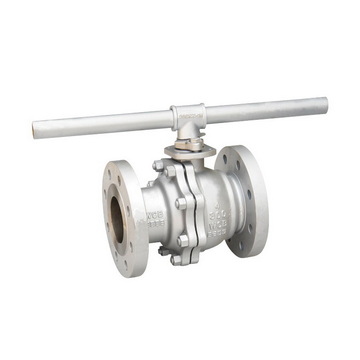
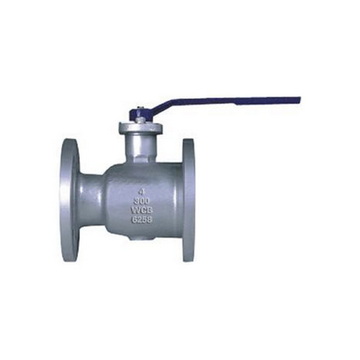
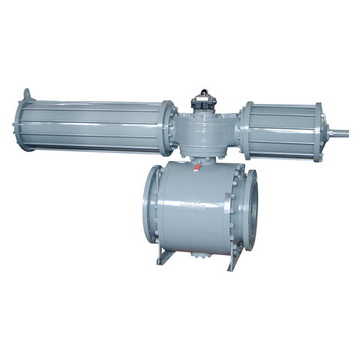
Ball valves are critical components in cryogenic and low-temperature systems, where the integrity of the seal directly impacts safety, reliability, and total cost of ownership. For OEMs serving oil and gas downstream and upstream, seawater desalination, offshore drilling platforms, and other extreme environments, the selection of Ball Valve Seat materials and geometry is a decisive engineering decision. This article delves into the key considerations for choosing Ball Valve Seats that perform reliably under cryogenic and low-temperature service, with emphasis on material behavior, thermal compatibility, seal interfaces, and lifecycle maintenance. It also outlines practical guidance for OEM customization, testing, and field service, helping buyers optimize performance while controlling total cost of ownership. The discussion centers on the broad family of seat technologies used in floating, trunnion (ear-pin), and top-entry ball valves, and how each option translates into real-world benefits for international brand owners, wholesalers, and manufacturers partnering with a Chinese valve supplier.
Fundamentals of Cryogenic and Low-Temperature Service
Cryogenic and low-temperature service encompasses temperatures well below ambient, including the cryogenic range where liquids such as LNG, LOX, and LN2 are handled. In these regimes, material properties shift markedly: polymers tend to lose elasticity, metals experience changes in toughness, and thermal contraction becomes a dominant design constraint. Ball Valve Seat performance hinges on three interrelated aspects: material behavior at low temperature, seal interface design, and thermal management within the valve body. For OEMs, understanding these fundamentals enables more predictable performance across diverse customer applications and geographies. The seat must not only seal at nominal conditions but also maintain integrity through thermal cycles, pressure fluctuations, and potential chemical exposure present in hydrocarbon liquids, desalination brines, and offshore fluids. The interplay between seat material selection and heat transfer characteristics directly affects torque requirements, actuation methods, and safety margins during operation. In practice, the right Ball Valve Seat choice balances elasticity, creep resistance, and chemical compatibility to sustain effective sealing throughout the valve's life. The domain-specific needs include LNG containment, LOX handling, and other ultra-cold media, where the seat must resist embrittlement and maintain a hermetic seal under cycling loads. The material science underpinning these decisions is central to achieving high reliability in demanding environments.
Seat Materials for Cryogenic Service
Soft seat materials play a dominant role in achieving tight shut-off at cryogenic temperatures. PTFE and its modified forms are widely used due to excellent chemical inertness and low friction, but their behavior under extreme cold requires careful management. PTFE contracts at low temperatures, which can increase contact pressure and, in some designs, raise operating torque. To mitigate this, many cryogenic seats incorporate spring-assisted mechanisms or utilize PTFE blends with enhanced low-temperature elasticity. PCTFE, a fluoropolymer with superior low-temperature resilience, and other modified polymers are commonly considered when PTFE shrinkage becomes a concern. For some applications, elastomeric O-rings or lip seals made from fluoropolymers or fluorinated elastomers are chosen to complement the seat and provide a robust sealing interface during thermal cycling.
Metal seats and composite seats offer alternatives when the service demands higher mechanical stability or reduced torque under cryogenic temperatures. Metal-to-metal seats provide stiffness and long-term seal stability, particularly in high-purity or oxidizing media, but require meticulous surface finishes and tighter manufacturing tolerances to prevent galling and leakage. Composite seats blend polymeric matrices with metal substrates to tailor stiffness, thermal expansion, and wear resistance, delivering a balance of sealability and mechanical robustness. In practice, the OEM selection often involves a combination strategy, using a soft seat for primary sealing and a secondary metallic component to reinforce the seal under extreme conditions or during start-up/shut-down transients.
Key materials to consider include PTFE family variants, PCTFE, PEEK, Delrin (acetal), and elastomeric compounds chosen for compatibility with cryogenic media. Each material brings trade-offs in terms of expansion/contraction behavior, wear resistance, friction, and chemical inertness. For example, PTFE-based seats excel in chemical resistance and low friction but may require design accommodations to counter shrinkage effects. PEEK offers excellent mechanical strength and temperature tolerance but can behave differently in ultra-low temperatures. Delrin provides favorable machinability and stiffness, yet its performance in certain cryogenic fluids requires careful evaluation. The choice of seat material must align with the surrounding valve architecture, including bonnet design, stem packing, and the adjacent sealing surfaces.
Seating Geometry and Seal Interfaces
The geometry of the Ball Valve Seat—its profile, contact surface, and how it interfaces with the ball and the seal rings—directly governs sealing performance. A well-engineered seat geometry distributes contact pressure evenly across the ball surface, minimizing localized stress concentrations that could lead micro-gaps during thermal cycles. In cryogenic service, the interplay between seat geometry and the ball's surface finish becomes more sensitive due to material stiffness changes at low temperatures. For OEMs, adopting seat geometries that maintain reliable seals under differential thermal contraction is essential. The interface between the seat and the seal ring also determines frictional behavior and torque requirements during operation. Soft seals must maintain elasticity while resisting creep, while hard seals require precise mating surfaces and robust surface finishes to prevent leakage.
Material compatibility at the interface is crucial. The seat material must be chemically inert with respect to the process fluid to avoid swelling, swelling-induced leakage, or chemical attack that can compromise sealing performance. The selection also hinges on the ability to withstand friction-induced heating during actuation and cycling. In many cryogenic designs, a combination approach is used: a soft, low-temperature-capable seat material provides the primary seal, while a metallic or reinforced secondary seal protects against leaks under thermal stress. This approach helps ensure stable sealing even during start-up transients when the temperature differential is greatest.
Thermal Considerations and Reliability
Thermal management is central to the long-term reliability of Ball Valve Seat assemblies. The differential between the cryogenic medium and ambient temperatures drives heat transfer into the packing area and seal interfaces. If heat ingress is excessive, packing materials can suffer accelerated wear, leading to leakage and increased torque. Engineering strategies—such as extended neck bonnet design, shielded packing areas, and thermal breaks—reduce the heat conducted to the packing chamber, maintaining the integrity of the seal. In addition, deliberate matching of thermal expansion coefficients between the seat, ball, and valve body helps reduce the risk of seat binding or micro-motions that could degrade the seal. Thermal cycling tests simulate daily start-up and shut-down patterns as well as seasonal environmental changes, providing data to optimize seat selection and predict maintenance schedules.
Durability and maintenance are deeply connected to material stability over time. Some polymers experience creep or cold flow under sustained load, particularly at elevated pressures or when the media contains abrasive particulates. Cryogenic service often involves rapid changes in temperature that can induce microstructural changes in the seating material. OEMs must plan for periodic inspection, leak testing, and, where applicable, replacement intervals that reflect the particular service conditions. When designing for maintenance, the accessibility of the seat for inspection and replacement is a critical factor, particularly for valve configurations that are used in remote offshore locations or in subsea installations. A robust maintenance plan reduces unplanned downtime and enhances overall plant reliability.
Installation and Qualification
Installation practices are as crucial as material selection in cryogenic service. Proper midline alignment of the valve body, ball, and seats ensures uniform sealing contact and avoids cantilevered stresses that may lead to premature wear. Tightening torques must be calibrated to accommodate the thermal contraction difference between materials, ensuring a secure yet non-damaging seal. Field qualification procedures—comprising leak tests, seat integrity verification, and functional tests under representative cryogenic conditions—validate that the ballast valve seat assembly meets performance specifications. In OEM workflows, standardized qualification protocols enable consistent results across multiple units and batches, reinforcing traceability and quality control.
Industry Applications and OEM Considerations
The strategic role of Ball Valve Seat choices extends across a spectrum of industries. In LNG facilities, chemical plants, seawater desalination, and offshore drilling platforms, the correct seat selection translates into safer operations, reduced maintenance downtime, and lower total cost of ownership. For OEMs, offering tailored seat solutions—combining material chemistry, geometry, surface finishing, and compatible packing—creates differentiation in a competitive market. OEM partnerships can also leverage the supplier's scale and testing capabilities to provide comprehensive qualification documentation, including material certificates, hardness profiles, surface finish specifications, and leak-test data under cryogenic conditions. The ability to customize seats for different regional standards and customer specifications is a key value proposition in serving international brands and distributors.
Manufacturing Considerations and Quality Assurance
High-quality Ball Valve Seats require strict manufacturing controls. Critical aspects include the precision of seating surfaces, the hardness and wear resistance of interface materials, and the cleanliness of components to prevent contamination that could compromise seals. Surface finishing—whether machine-polished seats or lapped interfaces—impacts both seating performance and longevity. Quality assurance should cover raw material traceability, process control during seat machining, assembly torque verification, and comprehensive post-assembly testing under simulated cryogenic conditions. For OEM customers, clear documentation of material composition, manufacturing tolerances, and test results is essential for regulatory compliance and QA audits. Transparent data sharing supports customer confidence and long-term partnerships.
Practical OEM Customization Guidance
- Material selection strategy: Align seat material with the service medium, expected temperature range, and maintenance philosophy. Consider hybrid designs that leverage the strengths of different materials to maximize seal reliability and torque performance.
- Geometry and interface design: Optimize seat profile to achieve even contact pressure and accommodate thermal contraction without compromising seal performance.
- Surface finish and coatings: Choose finishes that minimize friction, resist wear, and facilitate clean operation in cryogenic environments.
- Qualification and testing: Implement a robust testing plan that includes cryogenic leak testing, thermal cycling, and simulated dynamic operating conditions representative of the customer's use case.
- Documentation and traceability: Provide complete material certificates, dimension tolerances, and test data to support customer QA and regulatory compliance.
Conclusion
Choosing Ball Valve Seats for cryogenic and low-temperature service is a multi-faceted engineering challenge requiring careful alignment of materials, geometry, and manufacturing quality with the intended operating environment. A well-engineered seat solution delivers reliable leakage control, predictable torque, and extended service life while reducing downtime and maintenance costs in demanding industries such as oil and gas, seawater desalination, and offshore drilling. OEMs can gain a competitive edge by offering customized seat configurations tailored to specific media, temperature ranges, and installation contexts, backed by rigorous testing and comprehensive documentation. For inquiries or to receive a tailored Ball Valve Seat solution, contact our engineering team to discuss material options, seat geometry, and qualification plans that meet your exact application needs.
FAQ
1: What materials are most suitable for cryogenic ball valve seats and why?
- Ball valve seats in cryogenic service commonly use PTFE family materials, PCTFE, and sometimes metal or composite seats to balance elasticity, chemical inertness, and mechanical stability. PTFE variants offer excellent chemical resistance and low friction but can shrink at very low temperatures; PCTFE provides better low-temperature elasticity; metal or composite seats offer durability and stable sealing under severe thermal cycling.
2: How does seat selection impact leak-tightness at ultra-low temperatures?
- The seal's success depends on seat geometry, contact pressure distribution, surface finish quality, and the elasticity of the sealing material. In ultra-low-temperature environments, maintaining adequate elasticity and preventing micro-movements under thermal contraction are essential to prevent leaks.
3: What design features help prevent seat embrittlement under cryogenic service?
- Features such as extended neck bonnet designs, optimized thermal isolation in packing areas, and the use of low-temperature resistant materials help mitigate embrittlement and maintain packing integrity during temperature swings. Hybrid seating approaches can also reduce stress concentrations.
4: How should installation and maintenance be planned for cryogenic seats?
- A comprehensive plan includes proper alignment, correct torque for fasteners considering different thermal expansions, thorough cleaning and drying before assembly, and regular leak testing plus thermal cycling simulations to verify long-term seal performance.
5: Which indicators determine when a seat needs replacement in low-temperature service?
- Indicators include rising leak rates, seal material wear or hardening, increased operating torque beyond expected ranges, visible wear on seat surfaces, and degradation after repeated thermal cycles. Maintenance schedules should reflect usage patterns and service environments.
Hot tags: Cryogenic Ball Valve Seats, Low Temperature Ball Valves, Best Ball Valve Seats for Cryogenics, Cryogenic Valve Seat Materials, Choosing Ball Valve Seats for Low Temps, Cryogenic Valve Seat Selection, Ball Valves for Cryogenic Service, Low Temperature Valve Seat Options, High-Performance Cryogenic Ball Valves, Low Temp Valve Seat Durability