How to Identify Wear and Tear in Ball Valve Seats
Content Menu
● Overview of Ball Valve Seats
>> Chemical and Electrochemical Attack
>> Installation and Operational Errors
>> Irregular Seating and Sticking
● Maintenance and Replacement Best Practices
>> Inspection Schedules by Industry
>> Material Selection Considerations for Ball Valve Seat
>> OEM Partnering Considerations
>> Industry Applications and Case Insights
● Concluding Thoughts and Call to Action
● FAQ
>> 1. What are the most common signs of valve seat wear?
>> 2. How often should valve seats be inspected in offshore drilling environments?
>> 3. Which materials are best for high-temperature/high-pressure applications?
>> 4. Can worn valve seats be repaired, or must they be replaced entirely?
>> 5. How can OEM partners support preventive maintenance for ball valve seats?
Introduction
In high-demand industrial environments such as oil and gas, seawater desalination, and offshore drilling platforms, the Ball Valve Seat plays a pivotal role in achieving reliable shutoff and containment. Wear and tear on valve seats can undermine seal integrity, increase leakage risk, and shorten valve life, leading to unplanned downtime and higher maintenance costs. This article provides a comprehensive guide to identifying wear and tear in Ball Valve Seats, understanding the root causes, implementing diagnostic practices, and choosing OEM-friendly maintenance strategies that align with global standards and material options.
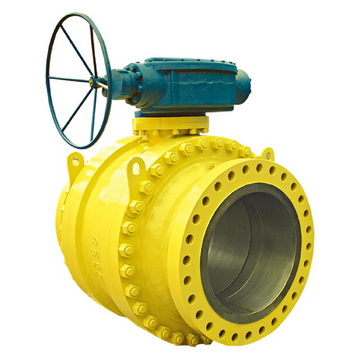
Overview of Ball Valve Seats
What is a Ball Valve Seat
A Ball Valve Seat is the sealing surface that interfaces with the ball to prevent fluid passage when the valve is closed. The seat must maintain a smooth, flat contact with the sphere to establish a tight seal under varying pressures and temperatures. In practice, seats may be composed of soft materials such as PTFE or elastomers for gentle seating, metal seated designs for high-temperature and high-pressure service, or hybrid/dual-seal configurations that combine the advantages of both material classes. The integrity of the Ball Valve Seat directly affects leak tightness, torque requirements, and the valve's ability to withstand media-induced wear and thermal cycling.
Materials and Seat Designs
Seat materials and designs are selected based on service conditions, including temperature, pressure, and chemical compatibility. Common configurations include:
- Soft seated designs: PTFE or GLT-based composites for low to moderate temperatures and chemical compatibility. They offer tight shutoff but limited high-temperature resistance and abrasion tolerance.
- Metal seated designs: hard materials such as PTFE-faced metal seats, stellite or other hard alloys that provide superior abrasion resistance and stability at elevated temperatures and pressures.
- Dual-seal or reinforced seats: combinations that improve sealing performance, reduce extrusion, and extend service life under severe service conditions typical of offshore and upstream oil and gas operations.
- Elastomeric seats: compatible with lower pressure service or where chemical compatibility with the process media is favorable.
Causes of Wear and Tear
Mechanical Wear
Frequent cycling, high operating torque, and abrasive particulates in the process medium contribute to scratching, grooving, and deformation of the seating face. Repetitive mechanical contact between the ball and seat can lead to nonuniform contact, reduced sealing force, and eventual leakage.
Chemical and Electrochemical Attack
Exposure to corrosive media, pH extremes, or halogen-containing substances can erode seating materials, especially soft seats. Galvanic interactions between dissimilar metals and aggressive environments can accelerate degradation at the seating interface.
Thermal Fatigue
Cyclic temperature changes induce thermal stresses that accumulate over time. Differential expansion between the ball and seat materials or between the seat and the valve body can cause microcracking, dimensional changes, and loss of seating precision.
Installation and Operational Errors
Improper seating alignment, under- or over-tightening of gland nuts, or misalignment of the stem can create uneven loads on the seat, promote extrusion, or cause premature wear at the sealing interface.
Difficulty in Operation
- Increased operating torque or stiffness when opening or closing.
- Irregular or inconsistent valve travel characteristic due to uneven seating wear.
Irregular Seating and Sticking
- The valve may “stick” or require localized torque to seat, indicating nonuniform contact and potential seating face deformation.
- Uneven seating can produce flow-induced vibration or whistling sounds during operation.
Diagnostic Techniques
Diagnostic Test Procedures
- Pressure and leakage tests: perform controlled pressure tests to evaluate seat integrity and leakage path evolution under service-resembling conditions.
- End-to-end testing: assess overall valve integrity, including ball roundness, seat flatness, and seating force distribution.
When to Replace vs Re-seat
- Minor wear with maintained sealing performance and no extrusion or structural damage may be addressed by re-seat or surface refurbishment according to OEM guidelines.
- Significant damage, deep scratches, cracks, or seat extrusion beyond design tolerances generally requires complete seat replacement or cartridge-level refurbishment, following OEM procedures and quality controls.
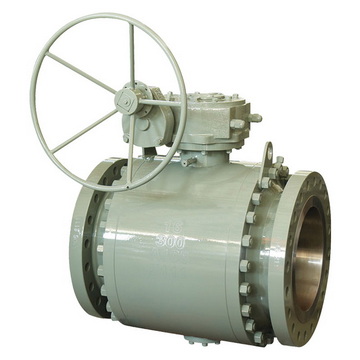
Maintenance and Replacement Best Practices
Inspection Schedules by Industry
- Oil and gas upstream/downstream, offshore platforms, and seawater desalination facilities demand rigorous inspection intervals. Align schedules with refinery or plant maintenance cycles, API/ISO standards, and OEM recommendations to minimize risk of unexpected leaks.
Material Selection Considerations for Ball Valve Seat
- For high-temperature and high-pressure service, metal-seated designs or reinforced dual-seal configurations mitigate wear and maintain sealing integrity longer than soft seats.
- In corrosive environments, ceramics or carbide-enhanced faces may be appropriate, while PTFE-based seats serve well in chemically compatible, moderate-temperature applications.
OEM Partnering Considerations
- OEM partnerships enable customization of seat materials, dimensions, and coatings to match customer process media and operating conditions, reducing life-cycle costs and downtime.
- Collaborative qualification programs, spare-part inventory planning, and standardized inspection protocols support long-term reliability across global installations.
Industry Applications and Case Insights
- Offshore drilling platforms subjected to frequent thermal cycling and corrosive media require robust seating solutions with excellent abrasion resistance and stable sealing across a wide temperature range.
- Seawater desalination systems demand seating that resists saltwater corrosion, fouling tendencies, and high-pressure transients.
- Oil and gas downstream processes benefit from reliable seats that withstand rapid pressure changes and particulate abrasion, ensuring leak-free operation during frequent start-stop cycles.
Concluding Thoughts and Call to Action
A proactive approach to Ball Valve Seat wear management combines material science, precise engineering, and disciplined maintenance. By aligning seat design choices with service media, temperature, and pressure profiles, OEM partners can deliver valves with extended service intervals, reduced total cost of ownership, and improved safety performance. For OEM collaboration, customization of Ball Valve Seat solutions—whether soft, metal, or dual-seal configurations—offers a pathway to optimized reliability across global projects. Interested brands and contractors are invited to consult with our team to tailor seat materials, surface finishes, and inspection regimes to their precise operating conditions. Schedule a technical consultation to explore bespoke solutions, including material, coating, and maintenance program design tailored to oil and gas, seawater desalination, and offshore drilling applications.
FAQ
1. What are the most common signs of valve seat wear?
Common signs include visible wear tracks and grooves on the seating face, slight surface cracking in hard-facing materials, increasing leakage rates during baseline tests, and rising operating torque indicating degraded seating interface.
2. How often should valve seats be inspected in offshore drilling environments?
Inspections should follow a risk-based maintenance plan aligned with API/ISO standards and OEM recommendations, typically ranging from quarterly to annually depending on operating conditions, pressure transients, and media aggressiveness.
3. Which materials are best for high-temperature/high-pressure applications?
Metal-seated designs with hard-faced or coated seating are favored for high-temperature/high-pressure service due to enhanced wear resistance and stable sealing performance under thermal cycling.
4. Can worn valve seats be repaired, or must they be replaced entirely?
Depending on the extent and type of wear, seats may be refurbished or re-seated in some cases, but significant wear, cracks, or extrusion typically require replacement to restore reliable sealing.
5. How can OEM partners support preventive maintenance for ball valve seats?
OEM partners can provide customized maintenance programs, material and coating recommendations, spare-part supply plans, on-site inspection protocols, and training to ensure consistent performance across global installations.
Hot tags: Identifying Wear in Ball Valve Seats, Ball Valve Seat Damage Signs, Ball Valve Wear and Tear, How to Inspect Valve Seats, Valve Seat Maintenance Tips, Wear Detection in Ball Valves, Ball Valve Seat Performance, Preventing Valve Seat Wear, Troubleshooting Ball Valve Seats, Ball Valve Seat Condition Monitoring