Best Ball Valve Seat Solutions for Midstream Pipeline Projects
Content Menu
● Ball Valve Seat fundamentals
● Floating ball valves seating strategies
● Trunnion/ear-pin seating considerations
● Top-entry seating innovations
● Materials and coatings for long-term performance
● Standards, testing, and quality assurance
● Design considerations for midstream projects
● Procurement, OEM collaboration, and lifecycle considerations
● Designing for reliability and maintenance
● Conclusion and Call to Action
● FAQ
>> 1 What materials are commonly used for Ball Valve Seats in midstream projects?
>> 2 How does seat design influence valve performance under high-pressure pipelines?
>> 3 What maintenance practices extend Ball Valve Seat life?
>> 4 Which valve style is best for offshore top-entry configurations?
>> 5 How to select Ball Valve Seat for seawater desalination applications?
Introduction
Midstream pipeline projects demand exceptional sealing reliability, corrosion resistance, and maintenance practicality. At the heart of these requirements lies the Ball Valve Seat, a critical interface that determines the integrity and longevity of an entire pipeline system. This article explores seat solutions across three common valve styles—Floating Ball Valves, Trunnion/Ear-pin Ball Valves, and Top-entry Ball Valves—focusing on material selection, seating design, coatings, and maintenance strategies tailored to midstream oil and gas, seawater desalination, and offshore drilling platforms. The discussion emphasizes how seat choices impact leak tightness, service life, total cost of ownership, and overall system reliability in demanding environments. Throughout, the emphasis remains on practical OEM collaboration capabilities, enabling foreign brands, distributors, and manufacturers to tailor Ball Valve Seat solutions to their specific operating conditions.
Ball Valve Seat fundamentals
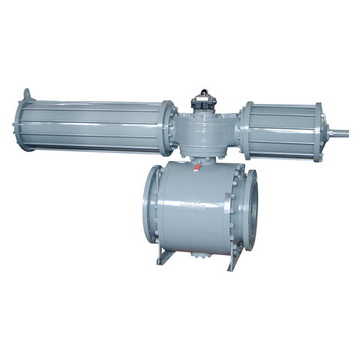
The Ball Valve Seat is the primary sealing interface that couples the spherical element of the valve with the valve body. A robust seal depends on precise seat geometry, compatible materials, and proper assembly. The seat must withstand dynamic loading as the ball rotates between the open and closed positions, while also resisting chemical attack from the process media. Key performance drivers include material compatibility, temperature and pressure ranges, abrasion resistance, and thermal expansion behavior. Common seat materials include PTFE, reinforced PTFE, metal seats, and ceramic coatings. Each material offers a different balance of chemical resistance, friction, sealing force, and durability under cycling. Successful seat selection requires a holistic view of process media, operating temperature, pressure class, and expected maintenance intervals. In midstream projects, where large-diameter pipelines and high-volume flows are common, seating reliability directly translates to reduced emissions risk, lower maintenance downtime, and improved pipeline integrity.
Floating ball valves seating strategies
Floating ball valves rely on the ball being free to float and sealing against the downstream seat under system pressure. This design yields simple construction, cost efficiency, and reliable shutoff for medium-to-low pressure services. The seat materials for floating designs are typically chosen for low friction and high chemical resistance. PTFE-based seats and reinforced PTFE are common choices in many midstream applications because they provide tight seals with relatively forgiving seating geometries. In corrosive environments such as seawater desalination or offshore gas pipelines, reinforced PTFE combined with compatible elastomer seals or coatings can extend service life. For OEMs, the key considerations include ensuring proper preload on the seating surfaces to maintain a bubble-tight seal under pressure fluctuations, selecting coatings that mitigate galling and wear, and designing the seat geometry to balance leakage resistance with ease of replacement during routine maintenance.
Trunnion/ear-pin seating considerations
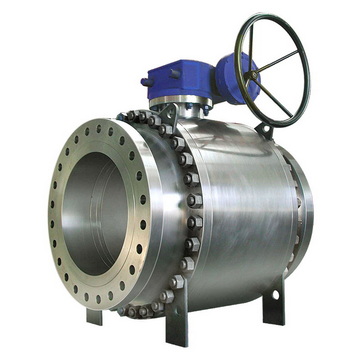
Trunnion or ear-pin ball valves feature proximal support for the ball through top and bottom trunnions, reducing operating torque and enabling reliable performance in large-diameter, high-pressure pipelines. In these configurations, seat stiffness and surface finish become critical due to higher contact pressures and the potential for galling if incompatible materials are used. Metal seats or metal/thermoplastic composite seats are often favored in high-temperature, high-pressure media because of their mechanical robustness and long-term sealing capabilities. However, metal seats may require special attention to galvanic compatibility with the ball and body materials and to potential shear or indentation under cycle loads. For OEM projects, the emphasis is on delivering seat assemblies that maintain consistent contact pressure across a wide temperature range, provide predictable wear patterns, and offer straightforward maintenance procedures, including quick seat replacement with minimal downtime.
Top-entry seating innovations
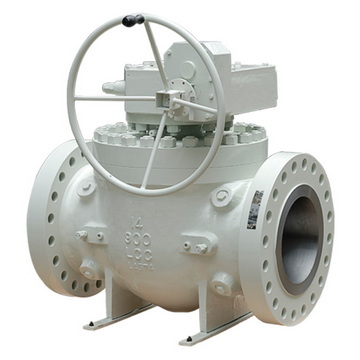
Top-entry ball valves provide direct access to internal components from above the pipeline, making on-site inspection and maintenance more convenient—an important advantage for offshore platforms, remote locations, and systems with limited access. Seating strategies for top-entry designs focus on ease of removal and reassembly without compromising sealing integrity. A common approach combines robust metal seats with soft seals or reinforced polymers to provide reliable initial seals and long-term resistance to erosion and corrosion. The design objective is to enable rapid seat replacement while maintaining alignment accuracy to preserve bubble-tight performance. For midstream OEM programs, this means offering modular seat kits, standardized torque specifications, and traceable material certificates to support field operations and regulatory compliance.
Materials and coatings for long-term performance
Seat performance in midstream environments hinges on material selection and surface engineering. PTFE and reinforced PTFE deliver excellent chemical resistance and low friction, making them suitable for many hydrocarbon and natural gas services. However, high-temperature or aggressive chemical environments may necessitate metal seats or metal/ceramic composites to maintain seal life and mechanical integrity. Coatings play a pivotal role in extending service life by reducing wear, improving corrosion resistance, and minimizing galling between the ball and seat surfaces. Ceramic coatings, corrosion-resistant metallic coatings, and surface hardening treatments can significantly enhance performance in offshore and seawater applications where salt spray and particulates intensify wear and corrosion. Media compatibility, cleaning regimes, and the potential for particulate-induced abrasion should guide coating selection and maintenance planning. A thorough seal life forecast should consider thermal expansion, differential expansion between ball and seat materials, and the cumulative effect of pressure cycling on seating surfaces.
Standards, testing, and quality assurance
Adherence to industry standards is essential for the reliability of Ball Valve Seat assemblies in critical midstream services. API 6D, ISO, ASME, and ANSI provide the framework for design, material certification, and testing. Typical validation includes bubble-tight leakage tests, seat-to-ball contact verification, operability tests under rated pressures and temperatures, and lifecycle demonstrations through cycling. Quality assurance programs should verify material traceability, chemical composition, heat treatment records, surface finishes, and seat assembly tolerances. Documentation supporting conformance to standards should accompany each valve assembly to facilitate commissioning, maintenance planning, and regulatory audits.
Design considerations for midstream projects
Midstream projects confront a spectrum of conditions, including varying pipeline diameters, pressure classes, fluid compositions, and environmental exposures. Seat selection must balance several competing factors:
- Corrosion resistance versus mechanical robustness
- Temperature tolerance and differential expansion
- Friction, wear, and seating surface longevity
- Maintainability and field replacement ease
- Compatibility with coatings and surface treatments
- Supply chain reliability and lead times
An integrated approach combines material science, mechanical design, and field maintenance planning. For offshore and desalination applications, corrosion resistance and saltwater compatibility drive material choices, while rapid field maintenance requires modular seat kits and clear documentation. OEM collaboration should emphasize early involvement in design reviews, standardized testing protocols, and a shared roadmap for certifications across target regions.
Procurement, OEM collaboration, and lifecycle considerations
OEM collaborations thrive when both sides align on performance targets, regulatory requirements, and delivery constraints. Key collaboration levers include:
- Clear specification of seat materials, coatings, and surface finishes with traceability
- Defined operating envelope: pressure, temperature, chemical exposure, and vibration
- Standardized seat replacement procedures and spare parts availability
- Transparent lead times, quality assurance milestones, and post-delivery support
- Documentation for compliance, installation, and maintenance training
A robust procurement strategy couples engineering rigor with supply chain resilience, ensuring that seat assemblies meet performance criteria while enabling timely project execution and post-installation support across multiple geographies.
Designing for reliability and maintenance
A reliability-focused design philosophy views Ball Valve Seat as a consumable component with a defined wear life rather than an immutable seal. Predictive maintenance plans should incorporate:
- Scheduled seat inspections and conditional monitoring of leakage indicators
- Documentation of replacement intervals based on cycle counts and service conditions
- Spare parts strategies to minimize downtime during seat replacement
- Training for field technicians on proper installation and alignment procedures
- Clear specifications for seals, gaskets, and packing compatible with seat materials
This proactive approach helps to minimize unexpected failures and optimize long-term performance across diverse operating scenarios.
Conclusion
Ball Valve Seat solutions are foundational to achieving dependable, high-performance midstream pipeline systems. By aligning material selection, seating geometry, coatings, and maintenance strategies with project requirements, OEMs can deliver valves that combine bubble-tight sealing, corrosion resistance, and predictable wear behavior. The synergy between Floating Ball Valves, Trunnion/Ear-pin Ball Valves, and Top-entry Ball Valves offers a comprehensive toolkit for tackling the diverse challenges of midstream, seawater desalination, and offshore platforms. With strong OEM collaboration, rigorous testing, and a commitment to quality, this integrated approach enables customers to shorten project timelines, reduce maintenance downtime, and lower total cost of ownership.
Conclusion and Call to Action
Partner with us to tailor Ball Valve Seat solutions that meet your midstream project requirements. Our engineering teams provide material selection guidance, coating options, and tested field-ready seat assemblies, supported by comprehensive documentation and certifications. Contact us now to receive a technical data package, sample testing opportunities, and a detailed project quotation. Let us help you accelerate your project timelines with reliable seating solutions that withstand the harshest operating conditions.
FAQ
1 What materials are commonly used for Ball Valve Seats in midstream projects?
- PTFE and reinforced PTFE provide chemical resistance and low friction; metal seats or metal/ceramic composites are used for high-temperature and high-pressure scenarios. The final choice depends on service conditions and required seal life.
2 How does seat design influence valve performance under high-pressure pipelines?
- Seat stiffness, surface finish, and thermal expansion behavior affect leak-tightness, seat-to-ball contact pressure, and wear rates. Matching seat geometry to ball and body ensures consistent sealing across cycles.
3 What maintenance practices extend Ball Valve Seat life?
- Regular inspection of seating surfaces, controlled operation cycles, proper filtration of process fluids, and timely seat replacement using standardized procedures help minimize leakage and extend service life.
4 Which valve style is best for offshore top-entry configurations?
- Top-entry designs facilitate on-site inspection and maintenance, enabling easier seat replacement. Material choices should emphasize corrosion resistance and ease of refurbishment in offshore environments.
5 How to select Ball Valve Seat for seawater desalination applications?
- Seawater demands highly corrosion-resistant materials, often reinforced PTFE or metal/ceramic combinations, along with protective coatings. Compatibility with salinity, particulates, and cleaning regimes is essential.
Hot tags: Best Ball Valve Seats for Pipelines, Midstream Pipeline Valve Solutions, Ball Valve Seats for Pipeline Projects, High-Performance Valve Seats, Valve Seat Options for Midstream, Ball Valves for Pipeline Systems, Reliable Ball Valve Seats, Pipeline Project Valve Solutions, Optimizing Valve Seats for Pipelines, Midstream Pipeline Valve Durability