The Future of Ball Valve Seat Technology in Industrial Automation
Content Menu
● Ball Valve Seat Fundamentals
● Seat materials and their implications
● Design geometries and retention methods
● Automation and control implications
● Materials performance in challenging environments
● Application-specific guidance for OEMs
● What to ask a valve seat supplier
● Call to action (consultation and collaboration)
● FAQ
>> What defines a ball valve seat and how does it affect leakage?
>> Which seat materials are best for seawater desalination and offshore environments?
>> How does seat design influence actuation torque and automation reliability?
>> What tests validate seat performance under ISO and API standards?
>> How can OEMs customize seats for specific clients and media?
Introduction
In modern industrial automation, the integrity of a valve seat is a determining factor in whether a system can achieve reliable, long-term leak-tight performance under demanding conditions. For manufacturers and brand owners in oil and gas downstream, upstream, and midstream sectors, as well as seawater desalination and offshore drilling platforms, seat technology is a critical lever for safety, efficiency, and total cost of ownership. This article presents a comprehensive view of how ball valve seat technology is evolving, the design choices that influence performance, and how OEM partnerships can deliver customized solutions that meet harsh media, temperatures, and pressure regimes. The discussion reflects the capabilities of a China-based factory specializing in floating ball valves, ear-pin (trunnion) ball valves, and top-entry ball valves, with a proven track record of OEM collaborations for foreign brands, wholesalers, and manufacturers serving global markets.
Ball Valve Seat Fundamentals
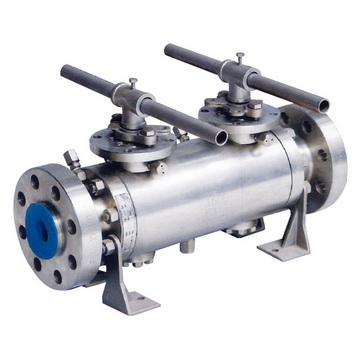
At the heart of any ball valve lies the seat, a sealing interface between the moving ball and the stationary valve body. The seat must accommodate a rotating ball while maintaining a dependable seal in a variety of media, including hydrocarbons, seawater, slurries, and aggressive chemicals. The seat material, geometry, and retention method collectively determine leakage class, cycling life, temperature limits, and resistance to wear and erosion. A robust ball valve seat design reduces torque requirements, minimizes maintenance downtime, and extends service life in remote or offshore environments where servicing opportunities are limited. This section outlines the core attributes that define seat performance and how different design choices translate into real-world reliability.
Seat materials and their implications
- Soft seats and polymer-based interfaces: PTFE and PTFE blends are common where chemical compatibility and low friction are prioritized. These seats provide excellent closure tightness at moderate temperatures and pressures and are favored for clean media. However, soft seats may exhibit wear or compression under high-cycle service or abrasive/slurry conditions, necessitating protective strategies or hybrid designs.
- Hard-faced and metal seats: Metal-to-metal seating or metal-to-soft combinations offer superior wear resistance and higher temperature tolerance, making them suitable for high-temperature, high-pressure, and erosive service. Hardened materials, such as carbide-faced seats, provide extended life in challenging media but may require higher seating force and careful compatibility checks with the ball and bonnet interfaces.
- Composite and coated seats: Composite seats or metal seats with advanced coatings (such as carbide coatings or ceramic-infused surfaces) can balance wear resistance with acceptable friction characteristics. These options enable longer service intervals in aggressive media while controlling torque and operational stiffness.
Design geometries and retention methods
- Seating geometry influences leak paths, torque, and resilience to misalignment. Precise tolerances, consistent surface finish, and reliable seat-to-ball contact are essential to maintain a tight seal across temperature cycles and pressure surges.
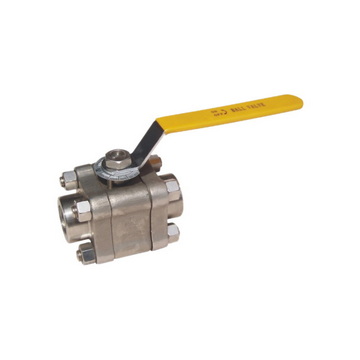
- Retention and installation: seats can be press-fit, brazed, welded, or removable with locking elements. Removable seats facilitate field replacement and customization for OEM applications where brand differentiation hinges on serviceability and rapid field maintenance.
- Seat-to-ball interface: achieving uniform contact without gaps or micro-movements reduces potential leak paths. Cross-sectional or radial sealing approaches may be used depending on valve size, seating arrangement, and media characteristics.
Automation and control implications
- Seated reliability directly affects actuation torque, feedback accuracy, and automated control. In automated lines, consistent seat performance enables predictable open/close cycles, minimizing process variance and ensuring tight shutoff even under dynamic operating conditions.
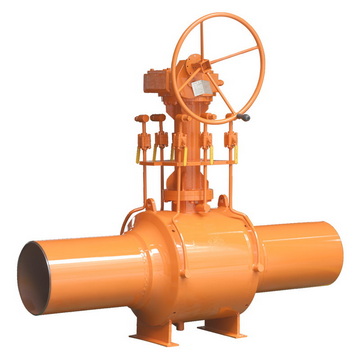
- In motorized or pneumatically actuated configurations, seat integrity contributes to longer actuator life by reducing stall conditions and torque spikes during seating events. For offshore and desalination plants, automated solutions with robust seats translate to improved process stability and reduced unscheduled downtime.
Materials performance in challenging environments
- Hydrocarbon-rich media: compatibility with hydrocarbons, minimization of permeation, and resistance to swelling or embrittlement under elevated temperatures are key considerations. Composite seating solutions can provide a favorable balance between chemical resistance and sealing performance.
- Seawater and offshore atmospheres: corrosion resistance, biofouling resistance, and thermal cycling tolerance are critical. Stainless steel alloys, protective coatings, and corrosion-resistant seat interfaces contribute to longevity in corrosive seawater environments.
- High-temperature and high-pressure service: metal-to-metal seats and carbide-faced options offer stability under thermal expansion and high pressure. The design must tolerate differential thermal expansion between the ball, seat, and bonnet while preserving a reliable seal.
Application-specific guidance for OEMs
- Oil and gas upstream: expect higher cycle life demands and potential exposure to abrasive particulates. Seat designs should accommodate aggressive media and frequent operation while maintaining reliable shutoff.
- Oil and gas midstream and downstream: long-distance pipelines and processing facilities benefit from robust seats that resist wear from carrier fluids and potential contaminants. Removable seats can aid field maintenance and brand differentiation through serviceability.
- Seawater desalination: corrosive chlorides and aggressive cleaning regimes necessitate corrosion-resistant seats and compatibility with cleaning protocols. Engineered coatings and validated material combinations help sustain seal integrity over extended plant life.
- Offshore drilling platforms: vibration, dynamic loads, and limited maintenance windows require seats that can sustain consistent performance with minimal intervention. Field-replaceable components and modular seat designs streamline maintenance.
OEM partnership advantages
- Customization and engineering collaboration: OEM partnerships enable tailored seat materials, geometries, and retention mechanisms aligned with brand specifications, media, and lifecycle expectations.
- Supply chain resilience and lead times: a dedicated manufacturing partner with in-house metrology, QA, and coatings capabilities can shorten lead times, reduce variability, and improve on-time delivery for global customers.
- Quality assurance and documentation: comprehensive QA packages, traceability, material certificates, and test records support customers in regulated markets and when integrating seats into complex systems.
What to ask a valve seat supplier
- Material options and certifications: request detailed material datasheets, compatibility notes for your media, and certifications relevant to your markets (for example, pivotal compliance with industry standards and corrosion classifications).
- Endurance and leakage testing: verify the standards used for seat testing, including torque resistance, cycle life, and leakage criteria under representative service conditions.
- Installation guidance and compatibility: ensure installation instructions, torque ranges, and seating procedures are aligned with OEM actuators and control systems. Clarify field replaceability and serviceability to minimize downtime.
Conclusion
Ball Valve Seat technology is a cornerstone of reliable, automated process control in demanding industries. By delivering tailored seat designs through OEM collaborations, the factory can offer brand-aligned, performance-driven solutions that meet stringent media compatibility, temperature and pressure conditions, and lifecycle expectations. A strategic focus on material selection, seating geometry, and robust QA translates into longer service intervals, lower maintenance costs, and safer operation across oil and gas, seawater desalination, and offshore platforms. Engage with a trusted OEM partner to translate engineering requirements into field-proven seat systems that perform under the most challenging conditions.
Call to action (consultation and collaboration)
- Interested brands and manufacturers are invited to initiate technical discussions, request detailed seat design specifications, and obtain samples for evaluation. The OEM partner can provide customized seat solutions, material certifications, and after-sales support for global deployments. Contact us to start the collaboration and configure seats that precisely fit your media, temperature, pressure, and lifecycle targets.
FAQ
What defines a ball valve seat and how does it affect leakage?
The ball valve seat creates the primary seal between the ball and the valve body, controlling leakage through material selection, geometry, and seating pressure. A well-designed seat minimizes leakage across normal and off-design conditions, extending service life and reducing maintenance.
Which seat materials are best for seawater desalination and offshore environments?
Materials with high corrosion resistance and stability under thermal cycling are preferred, including corrosion-resistant metals with protective coatings or ceramic-infused interfaces, and carefully chosen polymer composites for balance of sealing performance and wear resistance.
How does seat design influence actuation torque and automation reliability?
Seat rigidity, surface finish, and contact pressure affect the torque required to seat and unseat the valve. Consistent seating profiles reduce torque spikes, improving actuator life and automation repeatability in PLC-controlled systems.
What tests validate seat performance under ISO and API standards?
Standardized tests assess leakage, cycle life, and resilience to thermal and mechanical stresses, ensuring compliance with relevant industry criteria and enabling risk-managed deployment in regulated markets.
How can OEMs customize seats for specific clients and media?
OEM customization encompasses material selection, coating schemes, seating geometry, retention methods, and seating surface finishes, all designed to align with client media, regulatory requirements, and expected lifecycle.
Hot tags: Future of Ball Valve Seat Technology, Ball Valve Seats in Automation, Industrial Automation Valve Solutions, Advancements in Valve Seat Technology, Ball Valve Seat Innovations, Automation in Ball Valve Systems, Smart Ball Valve Seats, Future Trends in Valve Seat Design, Industrial Valve Seat Upgrades, Automation Impact on Ball Valves