How to Read Ball Valve Specifications Like an Industry Engineer
Content Menu
● Ball Valve Specifications Explained for Oil & Gas Engineers
● What Ball Valve Specifications Really Mean in Practice
● NPS and DN – Getting Valve Size Right
● Understanding Pressure Ratings – CWP, WOG, and Class
>> CWP – Cold Working Pressure
● Ball Valve Body Materials and Why They Matter
● Floating vs Trunnion Ball Valve Specifications
>> How Floating Ball Valves Work
>> How Trunnion Ball Valves Work
>> When to Choose Floating vs Trunnion
● Industry Standards, Fire-Safe and Anti-Static Requirements
>> Design and Fire-Safe Standards
>> Anti-Static and Blow-out-Proof Stem Design
● Typical Applications – From Wellhead to Desalination
● Case Insight – Avoiding a Costly Valve Replacement
● Practical Steps to Read Ball Valve Specifications Correctly
● How a Specialist Ball Valve Factory Adds Value
● UX and Visual Suggestions for Your Web Article
● Clear CTA – Partner With a Specialist Ball Valve Manufacturer
● FAQ – Ball Valve Specifications
>> Q1: What is the difference between CWP and WOG on a ball valve?
>> Q2: When should I choose a trunnion ball valve instead of a floating ball valve?
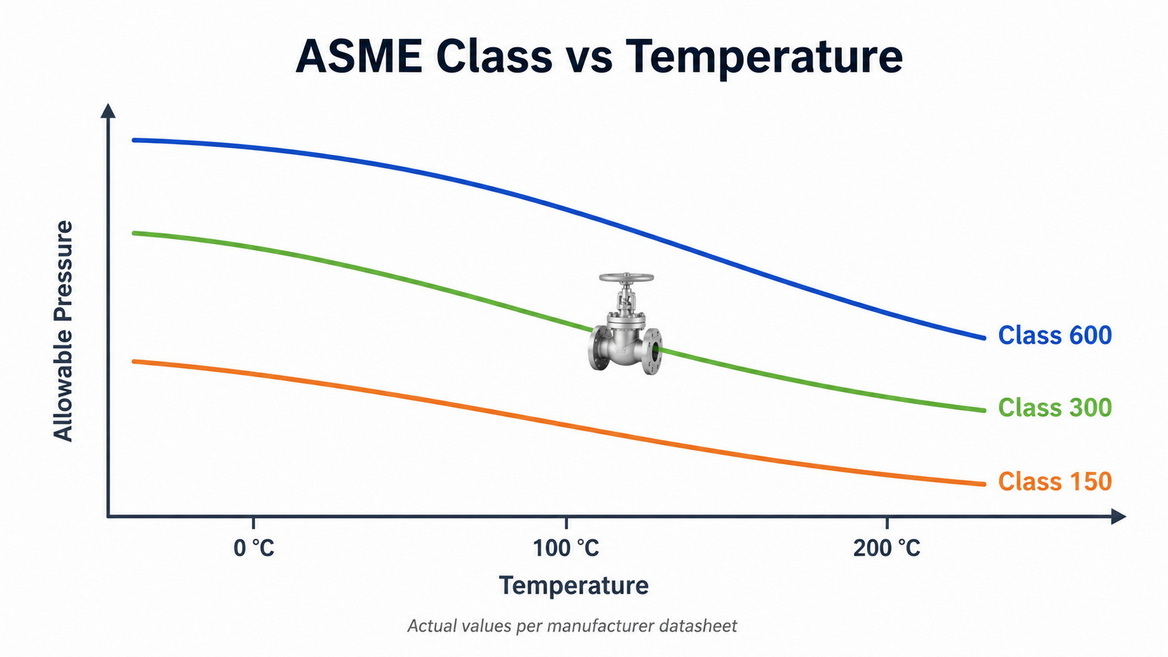
>> Q3: Why do ASME Class ratings change with temperature?
>> Q4: What standards should I look for in critical oil and gas ball valves?
>> Q5: How does an OEM/ODM ball valve factory support brand owners and wholesalers?
As a ball valve engineer working with offshore platforms and gas transmission lines, I've learned that misreading a single specification on the nameplate can easily turn into weeks of delay and expensive rework. This guide walks you through ball valve specifications the way we actually use them in real projects, with a focus on floating ball valves and trunnion ball valves for demanding oil, gas, and desalination applications.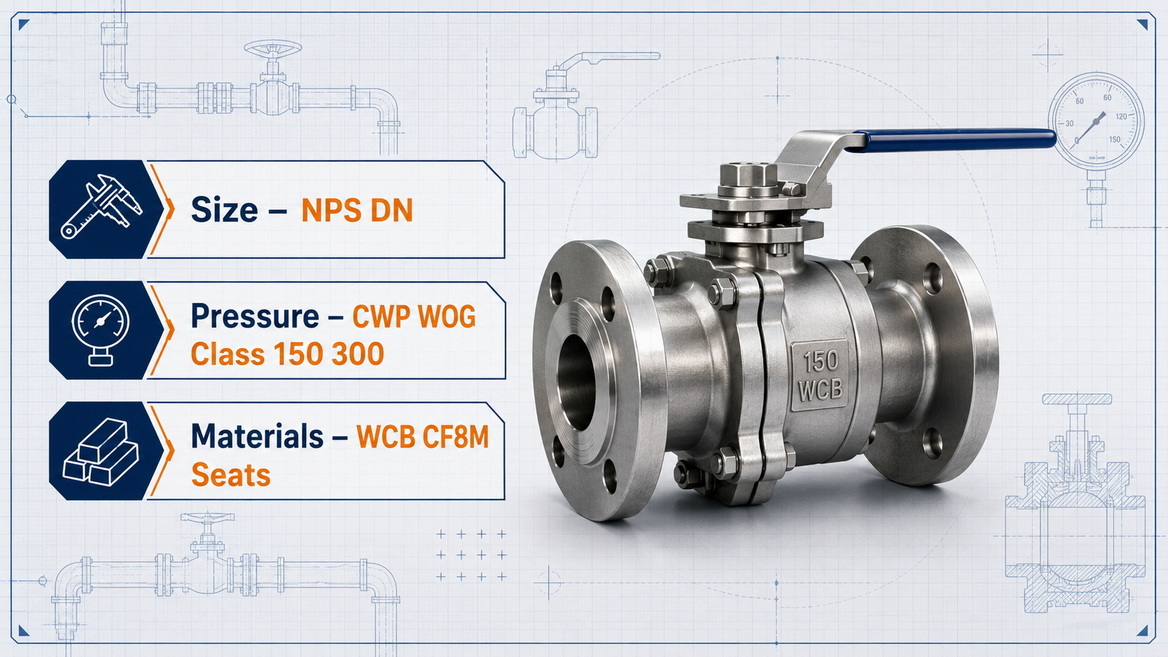
Ball Valve Specifications Explained for Oil & Gas Engineers
If you are sizing or approving ball valves for upstream wellheads, midstream pipelines, or downstream refining and desalination plants, you need more than a catalog view of NPS, DN, and pressure class. You need to understand how valve type, design standard, materials, sealing structure, and testing all work together to define what the valve can safely handle in the field.
From my experience supporting EPC contractors and international OEM brands, the most reliable projects always treat the nameplate as the beginning of the conversation, not the end. When you combine correct specification reading with a proven manufacturer that lives and breathes ball valve design, your risk in critical services drops dramatically.
What Ball Valve Specifications Really Mean in Practice
When engineers talk about ball valve specs, they typically focus on four primary blocks of information.
- Size designation: NPS (inch-based) or DN (metric nominal
- Pressure rating: CWP/WOG and ASME/ANSI Class.
- Materials and construction: body, ball, stem, seats, seals.
- End connections and standards: flanged, welded, threaded; API/ASME/ISO compliance.
In real projects, specs from the P&ID, valve datasheet, and vendor documents must align, otherwise you introduce hidden risk into the system. I regularly see "almost correct" valves that match size but fail on pressure class, material grade, or test standard, which is where costly replacements start.
NPS and DN – Getting Valve Size Right
Correct sizing starts with understanding NPS and DN, not just picking "2 inch" from a catalog.
NPS – Nominal Pipe Size
NPS is the North American standard for pipe and valve sizing, expressed in inches but representing a nominal rather than exact diameter. A 2″ NPS ball valve mates to a pipe with about 2.375″ outer diameter, while the actual bore changes by pipe schedule (e. g., Sch 40 vs Sch 80
In procurement, I always insist that datasheets state both NPS and schedule for welded connections to avoid mismatch between valve bore and pipeline design velocity. For critical services, matching bore and reducing flow turbulence can have a direct impact on erosion and valve life.
DN – Diameter Nominal
DN is the metric counterpart, typically used in international and European projects. It is expressed in millimeters and follows the same nominal logic, where DN50 roughly equals 2″ NPS.
On global projects, I recommend always including both NPS and DN for clarity, especially when engineering is done in one country and fabrication in another. This reduces conversion mistakes and keeps RFQs, POs, and drawings aligned across engineering teams and suppliers.
Understanding Pressure Ratings – CWP, WOG, and Class
Pressure ratings tell you what the valve can safely handle, but only if you interpret them in context of temperature and media.
CWP – Cold Working Pressure
CWP defines the maximum allowable pressure at ambient temperature for non-shock conditions. A valve marked CWP 800 can operate up to 800 psi at typical ambient conditions (around 38 °C / 100 °F), assuming compatible media.
For technicians in the field, this rating gives a quick first check, but it is not enough for high-temperature or cyclic services. You must still validate against temperature-derated pressure curves in the manufacturer's data.
WOG – Water, Oil, Gas
WOG indicates that the valve is suitable for water, oil, and gas at ambient conditions up to the stated pressure. A 600 WOG ball valve can withstand 600 psi with these media types, but it does not automatically imply suitability for sour gas, aggressive chemicals, or cryogenic service.
In my experience with export projects, a common failure is assuming WOG valves are fine in all refinery or offshore duties; they are not. Always cross-check the valve's material compatibility, design standard, and test certificates for the actual media and operating envelope.
Ball Valve Body Materials and Why They Matter
Material codes on ball valves look cryptic until you understand what they mean for temperature, strength, and corrosion resistance.
- WCB – cast carbon steel, widely used for general oil and gas service.
- CF8M – austenitic stainless steel equivalent to 316, with better corrosion resistance.
- CF8 – stainless steel equivalent to 304, suitable for many non-aggressive services.
- LCB / LCC – low-temperature carbon steel grades for cryogenic or low-temperature applications.
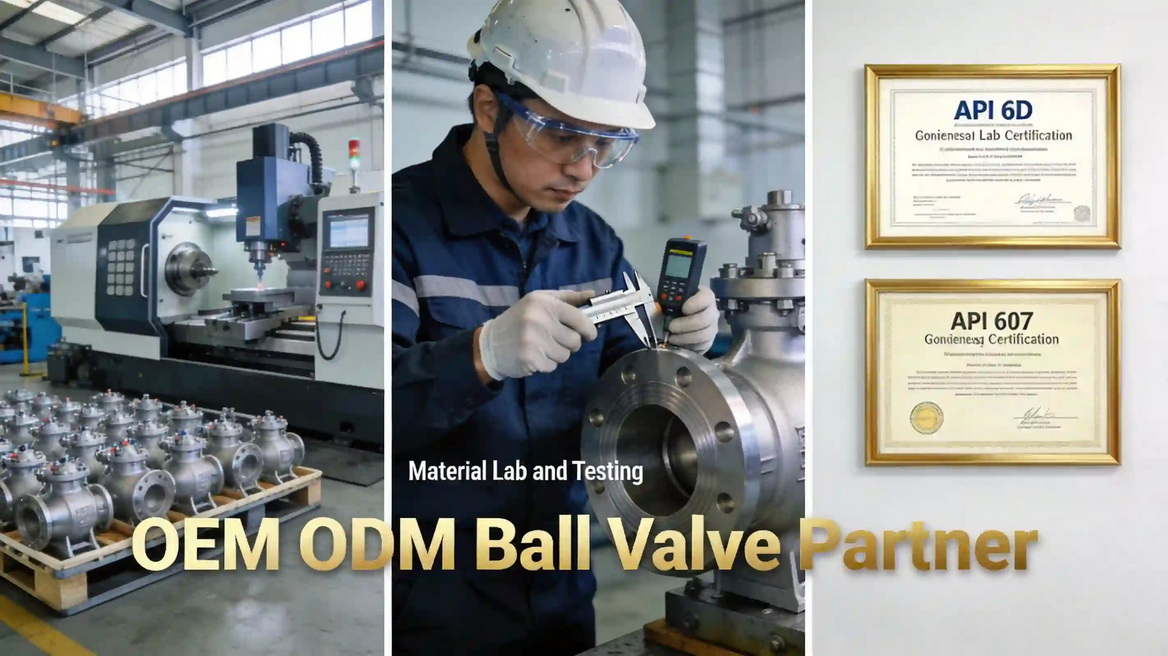
A manufacturer with an in-house metal materials laboratory, spectrometers, hardness testing, impact testing, and NDT equipment can verify that every heat truly meets spec, rather than just relying on paperwork. In my experience, this level of material verification is a key differentiator between commodity traders and serious OEM-level ball valve factories.
Floating vs Trunnion Ball Valve Specifications
For oil and gas, the most important functional decision is often between floating ball valves and trunnion-mounted ball valves.
How Floating Ball Valves Work
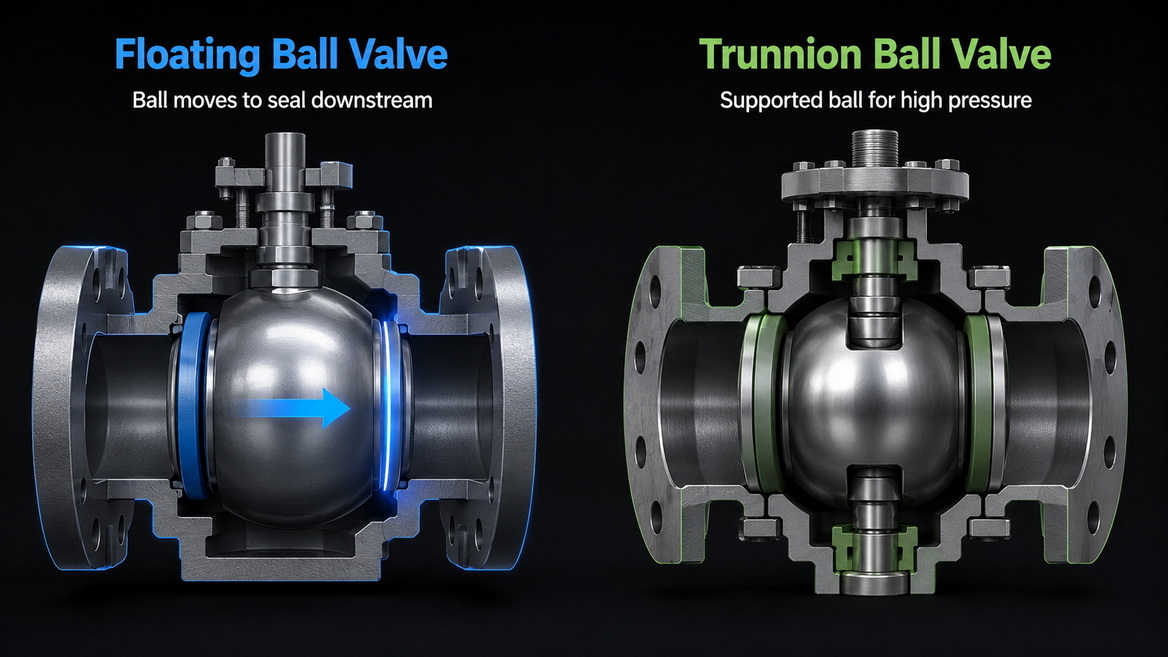
A floating ball valve uses a ball that is not rigidly fixed but is held between two seat rings. Under pressure, the ball moves slightly downstream to ensure a tight seal on the downstream seat, which makes this design ideal for small to medium sizes and moderate pressures.
Manufacturers like Wenzhou Leader design floating ball valves with a flexible seat ring structure, anti-static devices, fire-safe structure per standards such as API 607, and blow-out-proof stems for safety. This combination of structural features is particularly valuable in compact skids and modular process units, where tight shutoff and safety are non-negotiable.
How Trunnion Ball Valves Work
Trunnion ball valves use a supported ball with trunnion shafts at the top and bottom, so the ball does not float under line pressure. The seats are spring-loaded or pressure-energized, which allows these valves to handle larger diameters and higher pressures with reduced operating torque.
In pipelines and offshore platforms, trunnion-mounted designs are often specified for DN 150 and above or higher pressure classes, where floating ball torque and seat load become excessive. The factory capabilities for forged and cast trunnion ball valves, double block and bleed design, and top-entry construction give end users more choices for maintainability and isolation performance.
When to Choose Floating vs Trunnion
- Use floating ball valves for small–medium sizes, lower torque, and general shutoff duties.
- Use trunnion ball valves for larger diameters, high-pressure pipelines, and critical isolation in transmission lines and offshore platforms.
From an OEM/ODM perspective, having both design families in-house allows tailoring the valve to the exact process and pipeline conditions instead of forcing one design into all situations.
Industry Standards, Fire-Safe and Anti-Static Requirements
In serious oil and gas projects, no one accepts a valve without seeing which standards it complies with.
Design and Fire-Safe Standards
Fire-safe ball valves are designed and tested to standards such as API 607, API 6FA, and BS 6755. These tests verify that even after exposure to fire, the valve maintains a minimum level of sealing to prevent uncontrolled leaks.
Manufacturers like Wenzhou Leader hold API 6D and multiple API 607 certificates, which confirms that both design and production meet internationally recognized criteria. For operators on offshore platforms or in refineries, this type of certification is central to HSE and audit requirements.
Anti-Static and Blow-out-Proof Stem Design
In ball valves, anti-static devices ensure that static charge is safely discharged from the ball and stem to the body, reducing the risk of ignition in flammable environments. A blow-out-proof stem with a bottom shoulder prevents the stem from being ejected under internal pressure, even if packing fails.
From my field experience, these design details rarely appear in commercial summaries, but they are exactly what operators check during technical audits. When a factory has been designing ball valves for over 20 years, these safety features become part of their standard DNA instead of optional extras.
Typical Applications – From Wellhead to Desalination
Ball valves from specialized factories are widely applied across the upstream, midstream, and downstream segments of the oil and gas value chain.
- Upstream: wellhead manifolds, flowlines, test separators.
- Midstream: transmission pipelines, compressor stations, block valves.
- Downstream: refinery units, petrochemical plants, product storage.
- Desalination and offshore: seawater intake, high-pressure RO skids, offshore platforms for water injection and utilities.
In these environments, proper specification of size, class, material, and valve type directly impacts system uptime, safety, and lifecycle cost. That is why international brands, wholesalers, and equipment manufacturers work with dedicated ball valve factories as OEM/ODM partners instead of treating valves as generic commodities.
Case Insight – Avoiding a Costly Valve Replacement
On a recent gas transmission project, a client initially specified a 12" Class 300 floating ball valve based purely on size and pressure. When we reviewed the spec as an engineering partner, we identified the risk of overly high operating torque and potential seat deformation under long-term high differential pressure.
By switching to a trunnion-mounted design with the same Class 300 rating and appropriate seat materials, the project reduced actuator size, improved sealing stability, and avoided a likely mid-life valve replacement. This kind of optimization is only possible when you read beyond the nameplate and work with a manufacturer experienced in both design families.
Practical Steps to Read Ball Valve Specifications Correctly
To help less experienced engineers avoid common mistakes, here is a simple five-step process I use when reviewing ball valve specs.
1. Confirm size and standard
- Check NPS and DN, and verify compatibility with pipeline standards and schedules.
2. Validate pressure and temperature envelope
- Match CWP/WOG and ASME Class to the design pressure and temperature; consult derating curves.
3. Select the correct valve design
- Decide between floating or trunnion ball valve based on size, pressure, and duty (onshore vs offshore
4. Check materials against media and environment
- Confirm body, trim, and sealing materials against media (sweet/sour, seawater, chemical exposure
5. Verify standards, testing, and manufacturer capability
- Look for API 6D, API 607, ISO, and evidence of in-house material testing and quality control.
When you consistently follow this checklist, ball valve specification goes from a confusing code language to a controlled, repeatable engineering process.
How a Specialist Ball Valve Factory Adds Value
A factory focused on ball valve design, development, and manufacturing can go far beyond catalog supply.
- Deep R&D experience: More than 20 years dedicated to ball valve engineering and technical solution design.
- Integrated production: Modern plants with significant annual capacity in cast and forged floating and trunnion ball valves.
- Strict quality control: ISO 9001-based quality system, material labs with spectrometers, hardness and impact testers, and NDT.
- Certified performance: API 6D, API 607, and other qualification and honor certificates for global markets.
- OEM/ODM capability: Customized designs for overseas brands, wholesalers, and manufacturers that want private-label or engineered solutions.
From an end user's point of view, working with this type of manufacturer means you can align valve specification with your project's safety and performance profile instead of compromising around what a generalist stockist happens to carry.
UX and Visual Suggestions for Your Web Article
To make this content more readable and engaging on your site, consider the following visual enhancements:
- Insert a labeled diagram of a floating ball valve when introducing floating design basics.
- Add a comparison graphic for floating vs trunnion valves near the application section.
- Use a pressure–temperature chart illustration when describing ASME Class derating.
- Include photos from your factory (material lab, test benches, certificates) to reinforce E‑E‑A‑T and trust.
- Consider a short explainer video showing the movement of the ball and seats under pressure.
Strategically placing visuals just below major H2 sections helps break up text, improves dwell time, and makes complex topics easier to digest.
Clear CTA – Partner With a Specialist Ball Valve Manufacturer
If you are specifying valves for oil and gas, desalination, or offshore projects and need reliable OEM/ODM support, it pays to work directly with a specialist ball valve factory. By combining deep in-house design experience, fire-safe and anti-static structures, strict material testing, and global certifications, a partner like Wenzhou Leader can reduce your project risk and lifecycle cost.
For your next RFQ or technical discussion, share your line list, operating conditions, and standards requirements, and request a floating vs trunnion proposal tailored to your application. This approach turns ball valves from a commodity purchase into a strategic reliability decision.
FAQ – Ball Valve Specifications
Q1: What is the difference between CWP and WOG on a ball valve?
CWP is the maximum working pressure at ambient temperature, while WOG indicates suitability for water, oil, and gas at that pressure and temperature. CWP focuses on pressure; WOG adds the media dimension.
Q2: When should I choose a trunnion ball valve instead of a floating ball valve?
Use trunnion ball valves for larger sizes and high-pressure pipeline applications where you need lower operating torque and more stable seat loading. Floating ball valves are usually preferred for small–medium sizes and standard shutoff duties.
Q3: Why do ASME Class ratings change with temperature?
Class ratings are based on material strength, which decreases as temperature increases, so the allowable pressure must be derated to maintain safety margins. Manufacturer charts show the exact relationship for each material.
Q4: What standards should I look for in critical oil and gas ball valves?
For line valves, API 6D is common, while fire-safe performance is often qualified to API 607, API 6FA, or BS 6755. You should also look for ISO 9001-based quality systems and documented testing procedures.
Q5: How does an OEM/ODM ball valve factory support brand owners and wholesalers?
A dedicated ball valve factory can customize design, materials, markings, and packaging while maintaining consistent quality and certification, allowing overseas brands and wholesalers to offer engineered valves under their own label. This is particularly valuable for building long-term trust in demanding industries.
References
1. Onero Valve. "How to Read Ball Valve Specifications (NPS, DN, Class Ratings" https://www.onerovalve.com/blog/ball-valve-specifications/
2. Wenzhou Leader Fluid Control Equipment Co., Ltd. "API 6D ball valve, Floating ball valve, Trunnion ball valve, Top Entry Ball Valve." Company website. http://www.wzld.cn/en/
3. AS-Schneider. "Flow control operations: Floating vs. trunnion-mounted ball valves." https://as-schneider.blog/2023/01/31/flow-control-operations-floating-versus-trunnion-mounted-ballvalves/
4. USCortec. "Trunnion vs Floating Ball Valve." https://uscortec.com/trunnion-vs-floating/
5. Sitebulb. "5 Steps to Enhance E-E-A-T for Better SEO Rankings." https://sitebulb.com/resources/guides/5-steps-to-enhance-e-e-a-t-for-better-seo-rankings/
6. Lumar. "The New 'E' in Google's E-E-A-T: Why Experience Matters for SEO." https://www.lumar.io/blog/industry-news/the-new-e-in-eeat-why-experience-matters-in-website-content/
Hot Tags: Ball Valve, Manufacturers, Customized, Custom, Suppliers, Buy, Cheap, Quality, Advanced, Durable, in Stock, Free Sample, Made in China, Price, Quotation